Table of Contents
Right, so you’ve found a blood stain on your mattress. Happens to the best of us, doesn’t it? Whether it’s a nosebleed, a cut, or something else entirely, seeing a stain on your bed can be a bit of a downer. But don’t panic! Getting blood out of a mattress isn’t as impossible as it sounds. We’re going to walk through some straightforward methods to tackle these stains, from fresh mishaps to ones that have had a bit too much time to set in. You’ve got this.
Key Takeaways
- Act fast when dealing with fresh blood stains; the sooner you treat it, the easier it will be to remove.
- Always use cold water for blood stains, as hot water can set the stain permanently.
- For dried blood, a paste made from baking soda and hydrogen peroxide can be quite effective.
- Enzyme cleaners are good for breaking down protein stains like blood, especially if they’re stubborn.
- Using a waterproof mattress protector is the best way to avoid future blood stains altogether.
Essential Preparation For Tackling Blood Stains
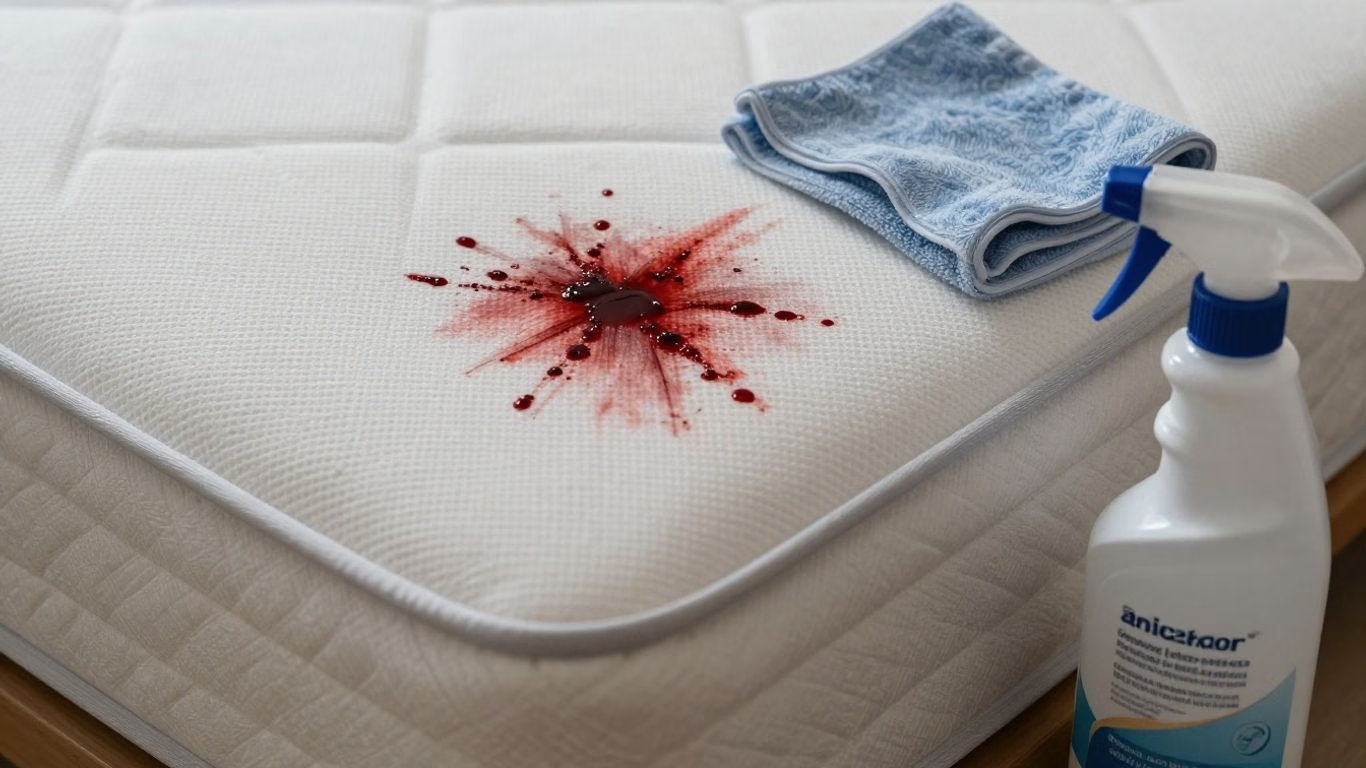
Right, so you’ve found a blood stain on your mattress. It happens to the best of us, whether it’s a nosebleed in the night or a little accident. The most important thing is not to panic. Before you start scrubbing away with whatever you can find, a bit of preparation can make all the difference. Getting this bit right means you’re much more likely to win the battle against that stain.
Act Swiftly To Address Fresh Blood
Honestly, the quicker you can get to a fresh blood stain, the better your chances are. Blood is like a lot of other stains in that it’s way easier to deal with when it’s still wet. Once it starts to dry, it really begins to bond with the mattress fibres, making it a proper pain to lift. Aim to tackle fresh stains within a couple of hours if you possibly can. Leaving it for days means you’re probably going to need stronger methods later on.
Assess The Nature Of The Blood Stain
Before you grab your cleaning supplies, take a moment to look closely at the stain. Is it a small, fresh splodge, or has it been there a while and turned a darker, more brownish colour? Fresh blood is usually brighter red and might still be a bit liquid. Older, dried blood will look darker and might feel a bit crusty. Knowing this helps you pick the right cleaning approach. You don’t want to use a heavy-duty method on a tiny fresh spot, or a gentle dab on a stain that’s been baked in for weeks.
Gather Your Cleaning Supplies
Having everything ready before you start is key. You don’t want to be halfway through cleaning and realise you’re missing a vital ingredient. For most blood stain jobs, you’ll want:
- Clean cloths or old towels (white ones are best so you can see the stain transfer)
- Paper towels for blotting
- A bowl for mixing solutions
- Rubber gloves to protect your hands
- Cold water (this is super important – hot water can set blood stains!)
- Your chosen cleaning agent (we’ll get to those next!)
It’s also a good idea to have a small brush, like an old toothbrush, handy for working on tougher spots. If you’re planning on using stronger cleaners, make sure you’ve got good ventilation, maybe open a window. For more stubborn issues, you might consider professional mattress cleaning services.
Remember, the golden rule with blood stains is to always use cold water. Hot water can cook the blood into the mattress fibres. This makes it very hard, if not impossible, to remove later. Stick to cold, and you’ll save yourself a lot of hassle.
Effective Methods For Removing Fresh Blood Stains
Right, so you’ve spotted a fresh blood stain on your mattress. Don’t panic! The key here is speed. The sooner you tackle it, the better your chances of getting it out completely. Think of it like this: the longer it sits, the more it bonds with the mattress fibres, making your job a whole lot harder.
Blotting Fresh Blood With Paper Towels
First things first, grab some paper towels. The goal is to soak up as much of the liquid blood as possible. Gently blot the stain – and I mean gently. Rubbing can spread the stain and push it deeper into the mattress. Keep blotting with fresh towels until no more blood transfers onto them. This initial blotting is probably the most important step for fresh stains.
Using Cold Water To Dab The Stain
Once you’ve blotted up the excess, it’s time for cold water. Hot water can actually set blood stains, so always stick to cold. Dampen a clean cloth with cold water and dab the stained area. Again, no rubbing! You’re just trying to lift the stain out. Rinse your cloth frequently in cold water or use fresh cloths as they become soiled. You might need to repeat this a few times. If you’re looking for more general stain removal advice for your home, this guide on stain removal in London might offer some useful tips.
Applying A Salt Solution
If the cold water alone isn’t quite doing the trick, a simple salt solution can be surprisingly effective. Mix a couple of tablespoons of salt with a little cold water to create a paste. Apply this paste to the stain and let it sit for about 5-10 minutes. The salt helps to draw the blood out of the mattress fibres. After it’s had a chance to work, gently dab the area with a clean, damp cloth to remove the salt and any loosened stain.
Remember, patience is key when dealing with mattress stains. It might take a few attempts with different methods to fully remove the mark. Always work from the outside of the stain inwards to avoid spreading it further.
Tackling Dried Blood Stains With Household Solutions
Dried blood can be a bit more stubborn than its fresh counterpart, but don’t despair! You’ve likely got a few things in your kitchen cupboards that can help sort it out. The key here is patience and using the right combination of ingredients to break down that dried-on protein.
Creating a Baking Soda and Hydrogen Peroxide Paste
This is a popular one for a reason. Baking soda is a mild abrasive and deodoriser, while hydrogen peroxide is a fantastic stain remover. Just be sure to test the hydrogen peroxide on an inconspicuous spot first, as it can sometimes lighten fabrics.
Here’s how to go about it:
- Mix your paste: Combine about half a cup of baking soda with just enough hydrogen peroxide to form a thick paste. You want it spreadable, not runny.
- Apply generously: Slather this paste all over the dried blood stain. Make sure it’s well covered.
- Let it work: Leave the paste to sit on the stain for at least 30 minutes, or even a few hours for tougher marks. You’ll see it start to dry and lift the stain.
- Scrape and vacuum: Once dry, gently scrape off the excess paste with a dull knife or spatula. Then, give the area a good vacuum to remove all the residue.
- Dab with a damp cloth: Lightly dampen a clean cloth with cold water and dab the area to remove any lingering paste.
Utilising a Cornstarch or Baking Soda Paste
If you’re a bit wary of hydrogen peroxide, a simple paste of baking soda or cornstarch with water can also do the trick. It’s a gentler approach, but might require a bit more elbow grease or repetition.
- Mix your chosen powder (baking soda or cornstarch) with a small amount of cold water to create a paste.
- Apply this paste directly onto the dried blood stain.
- Allow the paste to dry completely on the mattress.
- Once dry, brush or vacuum away the residue.
- Repeat the process if the stain is still visible.
Sometimes, the simplest solutions are the most effective. Don’t be afraid to try a method a couple of times if you don’t see immediate results. Consistency is key when dealing with dried-on stains.
Employing Cola for Stubborn Stains
This might sound a bit odd, but the phosphoric acid and carbonation in cola can sometimes help break down tough stains. It’s best to use this as a last resort for tough stains. Remember, it’s not good for memory foam mattresses because you can’t rinse it out well.
- Pour a small amount of cola directly onto the dried blood stain.
- Let it sit for about 15-30 minutes.
- Gently blot the area with a clean, damp cloth.
- Follow up by blotting with a dry cloth to absorb moisture.
Advanced Techniques For Stubborn Blood Stains
Leveraging Enzyme-Based Cleaners
Sometimes, the usual suspects just don’t cut it. For those really stubborn, dried-in blood stains, you might need to call in the heavy artillery: enzyme-based cleaners. These smart solutions break down proteins in the blood at a tiny level. That’s quite impressive when you think about it. You can usually find them at your local supermarket. Just make sure the one you pick is suitable for upholstery before you start. Don’t pour it straight onto the mattress, though. Instead, apply a bit to a clean cloth and then gently dab the stain. It’s a bit like giving the stain a targeted molecular massage.
Using Ammonia With Caution
Ammonia is another powerful option, but you’ve got to be careful with this one. It’s a strong cleaner, so definitely wear gloves and open a window for some fresh air. Never, ever mix ammonia with bleach – that creates some seriously nasty fumes. To use it, mix about a tablespoon of ammonia with a cup of cold water. Dip a cloth into the solution and dab at the stain. Keep dabbing with a clean part of the cloth until the stain starts to fade. It’s a bit of a process, but it can be effective on tough marks.
Trying Meat Tenderiser For Protein Stains
This might sound a bit odd, but meat tenderiser can actually be a surprisingly good stain remover for blood. Why? Because it’s designed to break down proteins, and blood is full of them! To try this method, make a paste using a bit of meat tenderiser seasoning and some cold water. Pat this paste onto the blood stain and let it sit for about an hour. After an hour, gently scrape or dab away the dried paste with a clean cloth. You might need to repeat this a couple of times for older stains.
Post-Cleaning Care And Drying
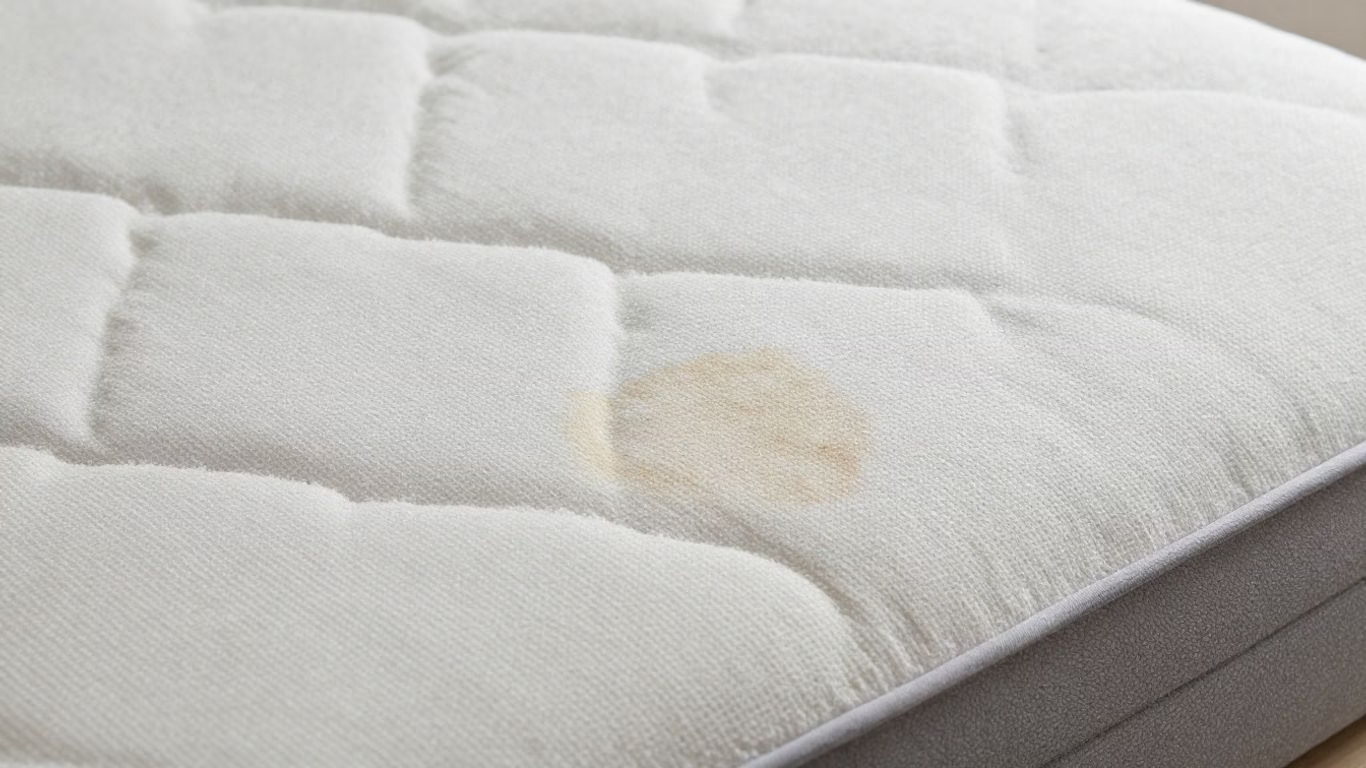
Blotting Away Cleaning Residue
Once you’ve finished tackling that stubborn blood stain, there’s usually a bit of cleaning solution or moisture left behind. It’s really important to get rid of this. Grab a clean, dry towel and gently blot the area. You’re not trying to scrub here, just absorb as much of the dampness as you can. Think of it like patting your skin dry after a shower – a gentle touch is all that’s needed. This step helps prevent any lingering cleaning product from attracting dirt later on or causing mildew.
Allowing The Mattress To Air Dry
This is probably the most patient part of the whole process. You absolutely must let your mattress dry completely before you even think about putting your bedding back on. A damp mattress is just asking for trouble, like mould and mildew, and nobody wants that. Open up the windows in the room if you can, maybe even stick a fan on to help circulate the air. The longer you can leave it to air out, the better. We’re talking hours, not minutes, especially if you used a lot of liquid.
Vacuuming Any Remaining Traces
After your mattress has had a good long dry, give it a final once-over with the vacuum cleaner. This is especially useful if you used any powders like baking soda or cornstarch. It helps to pick up any dried residue that might still be clinging to the mattress fibres. Plus, it just gives the whole thing a nice, fresh finish. It’s a simple step, but it makes a difference in how clean the mattress looks and feels.
Remember, heat is the enemy when it comes to blood stains. Always use cold water when cleaning. Never put a mattress or its bedding in a tumble dryer if any blood stain might still be there. Heat will set the stain, making it nearly impossible to get out later.
Preventative Measures For Future Blood Stains
Washing Bedding Promptly
It may seem clear, but washing your bedding right after an incident is a smart choice. The longer blood sits on fabric, the more it bonds with the fibres, making it a proper pain to get out later. Think of it like this: fresh blood on sheets is like a quick splash on a clean surface, easy to wipe away. Dried blood, though? That’s more like a stubborn mark that’s baked on. So, if you notice any blood on your sheets or duvet covers, don’t just leave them in the laundry basket for days. Get them in the washing machine with a good detergent and a cold water cycle. This simple step can save you a lot of hassle down the line.
Using a Mattress Protector
One of the best ways to avoid blood stains on your mattress is to get a good mattress protector. It’s like a shield for your bed. These protectors are often made of waterproof or water-resistant material. If any blood or other fluids seep through your bedding, they will hit the protector instead of your mattress. This makes cleaning up so much easier – you can usually just wipe down the protector or even pop it in the washing machine.
There are a few different types to consider:
- Fitted Sheet Style: These slip over your mattress like a fitted sheet and cover the top and sides.
- Encasement Style: These zip all the way around your mattress, offering complete protection for all six sides.
- Pad Style: These are more like a thick topper that sits on top of your mattress, often secured with elastic straps.
When choosing one, look for something that’s breathable so your mattress doesn’t get too hot, and make sure it fits snugly. A good mattress protector is a small investment that can save your mattress from a lot of potential damage and cleaning headaches.
While it’s good to have a plan for cleaning up spills and accidents, preventing them in the first place is always the easiest route. Simple habits and some protective gear can help keep your mattress looking and feeling fresh for many years.
Want to keep your carpets looking fresh and new? Learning how to deal with future blood stains is key. It’s all about acting fast and using the right methods. For expert help that guarantees great results, visit our website today and book a cleaning service. We’re here to make your home sparkle!
So, What’s the Takeaway?
Right then, tackling blood stains on your mattress might sound like a bit of a nightmare, but as we’ve seen, it’s totally doable. The main thing is to act fast, especially with fresh spills – cold water is your best mate here. For tough, dried-in marks, don’t worry. A little baking soda, hydrogen peroxide, or an enzyme cleaner can help a lot. Just remember to blot, not rub, and always let things dry out properly before you make the bed again. With a bit of patience and the right approach, your mattress can look as good as new, or at least a whole lot better than it did before!
Frequently Asked Questions
What’s the most important thing to do if I find a blood stain on my mattress?
The absolute best thing you can do is act super fast! The quicker you can get to a fresh blood stain, the easier it will be to get rid of it. Leaving it for ages makes it much harder to clean and could even be a bit unhygienic.
Should I use hot or cold water to clean blood stains?
Always, always use cold water. Hot water can ‘cook’ the blood. This sets the stain into the mattress fibres, making it very hard to remove. Cold water is your best mate here.
What household items can I use to tackle dried blood stains?
For dried blood, you can try making a paste. A common mix is baking soda and hydrogen peroxide. You can also try cornstarch or baking soda with some water. Some people even have luck with cola for really tough spots!
Are there any special cleaners for stubborn blood stains?
Yes, there are! Enzyme-based cleaners are brilliant because they break down the proteins in blood. You can also use ammonia mixed with water. However, be very careful with ammonia. It is strong and should not be mixed with other cleaning products.
How do I stop blood stains from happening in the first place?
The easiest way to protect your mattress is to use a waterproof mattress protector. It acts like a shield! Also, make sure to wash your bedding promptly if it gets stained.
What if I accidentally rub the blood stain instead of blotting?
Oh dear! Rubbing can spread the stain and push it deeper into the mattress. If you have accidentally rubbed, don’t worry. Just try to blot as much as you can. Then, use your chosen cleaning method. You might just need to be a bit more patient with the cleaning.