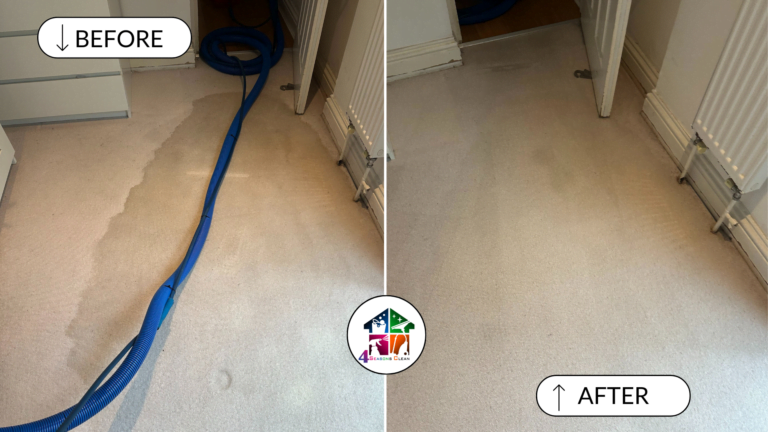
Hot water extraction is often called the gold standard of carpet cleaning. But is it actually more effective than shampooing, dry cleaning, or DIY steam machines? If you are researching this method, you likely want one thing: proof.
- Proof that it removes deep dirt.
- Proof that it kills bacteria.
- Proof that it is worth the investment.
In this guide, we explain how effective hot water extraction (HWE) really is. It is based on research, industry data, and hands-on experience in London carpet cleaning.
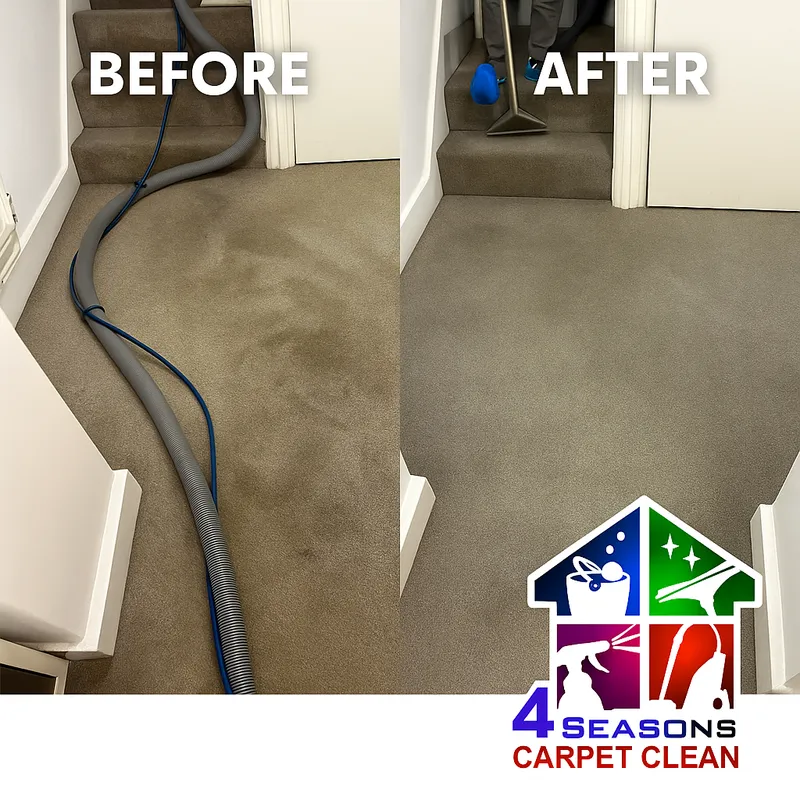
What Is Hot Water Extraction?
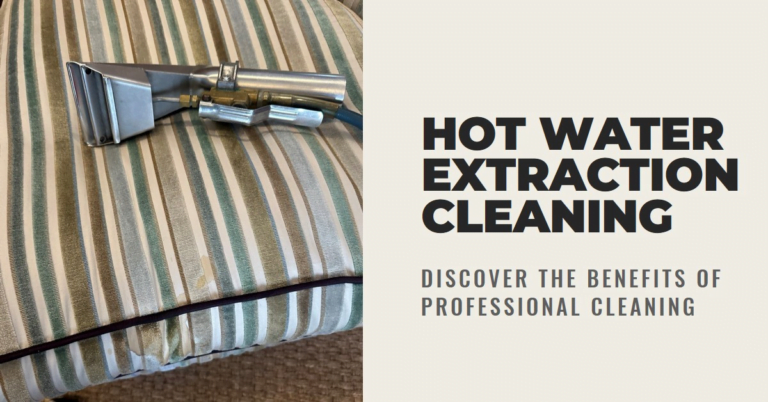
Hot water extraction is a deep-clean process. It sprays hot water and cleaning solution into carpet fibres under pressure. It then removes the liquid straight away with a powerful vacuum.
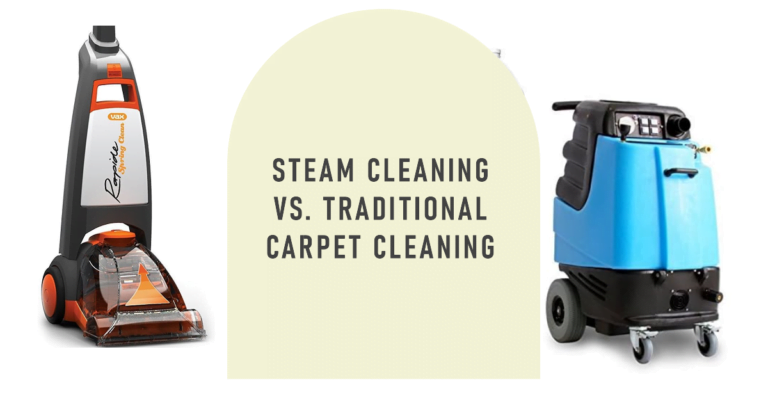
It is commonly referred to as “steam cleaning,” although it does not use steam vapor. Instead, it uses hot water typically between 150–200°F (65–93°C).
The process works in three stages:
- Pre-treatment to loosen oils and soil.
- High-pressure hot water injection to penetrate fibres.
- Powerful extraction removing up to 95% of moisture along with dirt and contaminants Pasted text
This flushing action is what separates it from surface cleaning methods.
We are highly recommended on Google Business Profile
Serving: London & Surrounding Areas
⭐️⭐️⭐️⭐️⭐️
270+ 5 Star Google Reviews
Why Traditional Carpet Cleaning Methods Fall Short
Many older cleaning methods focus on appearance rather than deep sanitation.
Shampooing
- Pushes detergent into fibres.
- Often leaves residue behind.
- Attracts dirt faster after cleaning.
Bonnet Cleaning
- Cleans only the top layer.
- Common in commercial settings.
- Does not remove deep allergens.
Dry Compound Cleaning
- Minimal moisture.
- Limited penetration depth.
- Less effective for heavy soiling.
As outlined in the technical explanation of hot water extraction, the key difference is depth of penetration. It is also the strength of extraction. Surface cleaning may improve appearance. Hot water extraction improves hygiene.
The Proven Effectiveness of Hot Water Extraction
1. Allergen Removal
Research shows hot water extraction removes an average of 94% of common household allergens Pasted text.
This includes:
- Dust mites
- Pet dander
- Pollen
- Microscopic debris trapped in carpet pile
For allergy sufferers, this is not cosmetic. It directly impacts indoor air quality.
2. Bacteria Reduction
Water heated between 150–200°F breaks down oils and protein-based residues while neutralising many bacteria Pasted text.
When combined with proper extraction, this significantly reduces microbial load without relying heavily on harsh chemicals.
3. Deep Soil Removal
Hot water increases the solubility of dirt particles. In simple terms, heat loosens the bond between soil and fibre.
The injection forces solution deep into the carpet base. The extraction phase removes suspended contaminants rather than spreading them.
This is why carpets cleaned with professional HWE do not re-soil as quickly as shampooed carpets.
4. Faster Drying Than You Expect
Despite using water, modern equipment extracts most moisture immediately.
Carpets typically dry within 6–12 hours under normal conditions Pasted text.
Professional-grade machines can leave carpets only slightly damp to the touch.
How Professional Equipment Changes Results
One of the biggest misconceptions is that all hot water extraction machines perform the same.
They do not.
Professional truck-mounted systems:
- Generate higher temperatures.
- Maintain consistent water pressure.
- Deliver significantly stronger vacuum suction.
Rental machines often:
- Operate at lower temperatures.
- Have weaker extraction.
- Leave excess moisture behind.
Effectiveness depends heavily on:
- Equipment power
- Technician skill
- Proper pre-treatment
- Controlled moisture levels
In professional settings, technicians monitor moisture content to prevent over-wetting Pasted text.
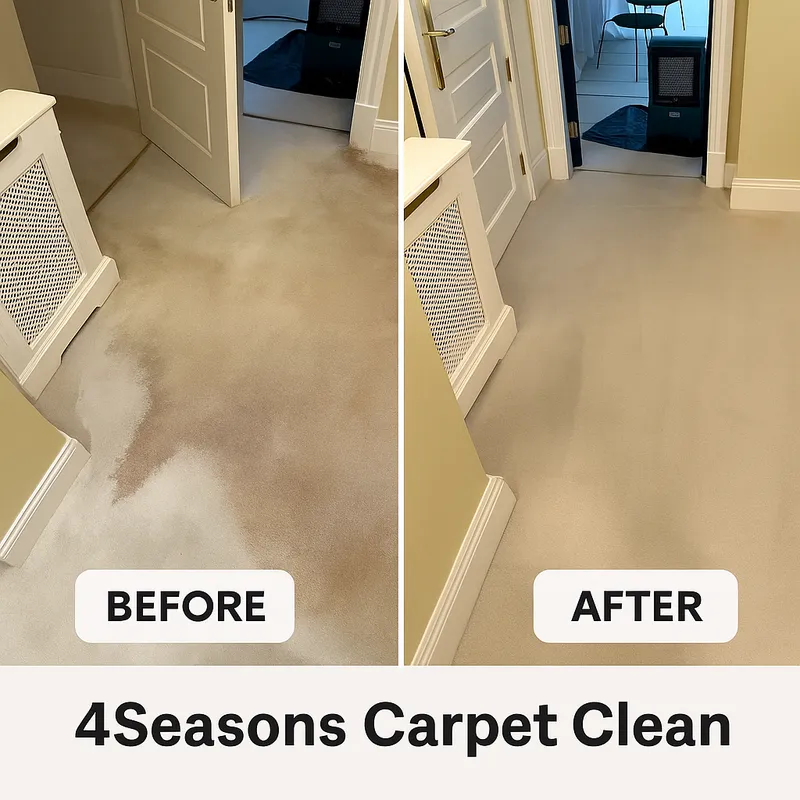
When Is Hot Water Extraction Most Effective?
Homes With Pets
Pet dander, oils, and odours settle deep into carpet fibres. Surface cleaning rarely removes them completely.
HWE flushes out contamination from the base layer.
Allergy-Prone Households
Because it removes up to 94% of allergens Pasted text, it is one of the best methods for improving indoor air quality.
End of Tenancy Cleaning
Deep soil buildup requires full extraction, not just appearance cleaning.
High-Traffic Areas
Corridors, living rooms, and commercial spaces accumulate embedded dirt that requires pressure-based flushing.
Trade-Offs and Limitations
No method is perfect. Hot water extraction has considerations.
Drying Time
Even at 6–12 hours Pasted text, carpets are not instantly usable.
Humidity can extend drying.
Not Ideal for All Fibres
Natural materials like:
- Sisal
- Some untreated wool
Require specialist control to prevent shrinkage or damage Pasted text.
Over-Wetting Risks
Improper use can:
- Cause mould within 24–48 hours.
- Damage carpet backing.
- Leave residue.
Professional technique matters.
Is Hot Water Extraction Worth It?
If your goal is surface refreshment only, cheaper methods may suffice.
If your goal is:
- Deep sanitation
- Allergen reduction
- Long-term fibre protection
- Odour elimination
- True soil removal
Then hot water extraction is one of the most scientifically supported methods available.
Frequently Asked Questions
Does hot water extraction really clean deeper than shampooing?
Yes. Shampooing often leaves detergent behind and lacks strong extraction power. HWE injects and removes contaminants through a flushing process Pasted text.
How long does carpet take to dry after hot water extraction?
Typically 6–12 hours under normal airflow conditions Pasted text.
Does hot water extraction kill bacteria?
The heat and flushing action significantly reduce bacteria and microbial contamination Pasted text.
Is hot water extraction safe for wool carpets?
Yes, when temperature and moisture are carefully controlled. Improper technique can cause damage Pasted text.
Can hot water extraction cause mould?
Only if carpets are over-wetted or not properly extracted. Professional machines remove up to 95% of moisture Pasted text.
Is steam cleaning the same as hot water extraction?
In most marketing language, yes. Technically, it uses hot water, not steam vapor Pasted text.
Expert Perspective and Industry Insight
From a professional cleaning standpoint, hot water extraction is not just about heat. It is about:
- Temperature control
- pH-balanced solutions
- Correct pressure
- Strong extraction vacuum
- Fibre identification
When performed correctly, it restores carpets to a hygienic condition that visual-only cleaning cannot achieve.
In London properties with high foot traffic, we often see clear improvements in appearance and odour control. This happens when hot water extraction is part of a planned maintenance schedule.
Final Verdict: How Effective Is Hot Water Extraction?
Hot water extraction is highly effective when:
- Performed with professional-grade equipment
- Applied by trained technicians
- Used on suitable carpet materials
It removes up to 94% of common allergens Pasted text.
It extracts deep soil rather than masking it.
It reduces bacteria without heavy chemical dependence.
It dries faster than outdated shampoo methods.
For homeowners and commercial property managers who want real deep cleaning, hot water extraction is a proven method. It delivers strong results and goes beyond surface cleaning.
If the goal is long-term hygiene and carpet preservation, the evidence strongly supports its effectiveness.