Table of Contents
For most businesses in London, carpets are one of the most heavily used—and most overlooked—assets in a workspace. Every day, they absorb foot traffic, dirt, moisture, and bacteria. Over time, that buildup doesn’t just affect appearance—it impacts hygiene, employee wellbeing, and even brand perception.
If you manage an office, retail space, or commercial property, you must understand commercial carpet cleaning. It is part of running a compliant, professional operation.
This guide explains what London businesses need to know. It covers cleaning frequency, costs, best methods, and how to choose the right plan. It also helps you avoid disrupting operations.
Why Commercial Carpet Cleaning Matters for Businesses
Carpets in commercial environments face significantly more wear than residential spaces. High footfall introduces:
- Grit and dirt that damage fibres
- Bacteria and allergens that affect air quality
- Stains that impact professional appearance
Unlike hard floors, carpets trap contaminants deep within the fibres. Without regular cleaning, this buildup can lead to long-term deterioration and increased replacement costs.
For offices, retail shops, and managed properties, clean carpets are not just about looks. They also support hygiene at work and brand standards.
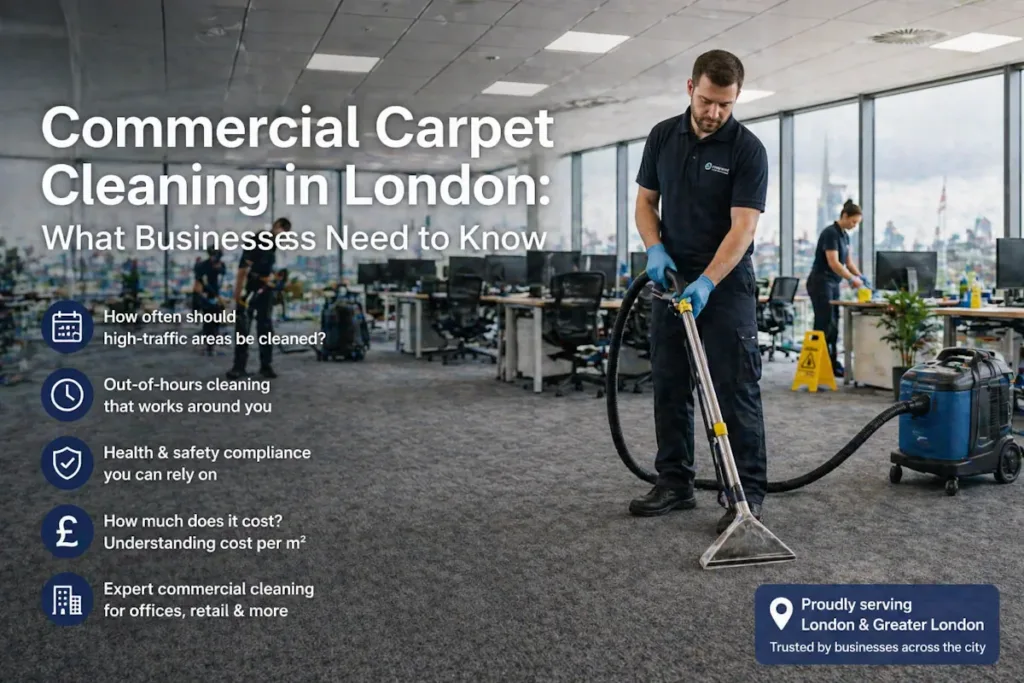
How Often Should Commercial Carpets Be Cleaned?
This is one of the most common questions—and one of the most misunderstood.
Cleaning frequency should be based on foot traffic and usage, not how the carpet looks.
General Cleaning Guidelines
- High-traffic areas (reception, corridors, retail floors): every 3–6 months
- Moderate-use offices: every 6–12 months
- Low-traffic areas: every 12–18 months
Most UK offices schedule carpet cleaning every 3 to 6 months due to consistent daily use.
Waiting until carpets look dirty is a mistake—by that point, damage has already begun.
Commercial Carpet Cleaning Costs in London
Pricing is one of the biggest concerns for businesses—but it’s also where many misunderstand the real value.
Typical Cost Per Square Metre
In London, commercial carpet cleaning is usually priced per square metre:
- Standard cleaning: £2 – £4 per m²
- Office cleaning range: £1 – £4 per m² depending on condition and method
- Deep cleaning: up to £4 – £8 per m² for heavily soiled carpets
Some providers offer lower rates for large commercial spaces or long-term contracts, especially for buildings over 1,000 m².
What Affects Pricing?
Cost isn’t just about size. Key factors include:
- Level of dirt and staining
- Type of carpet and fibre
- Cleaning method used
- Access and building layout
- Out-of-hours or weekend scheduling
Out-of-hours cleaning can increase costs by 20–50% due to labour and scheduling complexity.
Best Cleaning Methods for Commercial Carpets
Not all cleaning methods are equal—and choosing the wrong one can lead to downtime or poor results.
1. Hot Water Extraction (Steam Cleaning)
This is the most common method for deep cleaning.
- Removes deep dirt, bacteria, and allergens
- Ideal for heavily used office carpets
- Requires drying time
Professional systems inject and extract water under pressure to remove embedded contaminants effectively.
2. Low-Moisture Cleaning
Best for businesses that need minimal disruption.
- Fast drying times
- Suitable for offices operating daily
- Effective for maintenance cleaning
3. Encapsulation Cleaning
A modern method often used in commercial settings.
- Uses chemical polymers to trap dirt
- Quick drying
- Ideal for regular maintenance cycles
Most businesses benefit from combining methods—deep cleaning periodically and low-moisture cleaning for maintenance.
Out-of-Hours Cleaning: Minimising Business Disruption
One of the biggest concerns for businesses is downtime.
Professional commercial cleaning services typically offer:
- Evening or overnight cleaning
- Weekend scheduling
- Flexible maintenance contracts
This allows businesses to maintain hygiene standards without interrupting daily operations.
For offices, retail spaces, and hospitality environments, this flexibility is essential—not optional.
Health & Safety Compliance: What Businesses Must Consider
Commercial carpet cleaning isn’t just about cleanliness—it’s about compliance.
Businesses must meet health and safety standards related to:
- Indoor air quality
- Slip hazards from dirty or damp carpets
- Hygiene in shared workspaces
Professional cleaning providers follow strict protocols, including:
- Use of approved cleaning chemicals
- Safe drying procedures
- COSHH compliance (Control of Substances Hazardous to Health)
For property managers and facilities teams, this reduces liability and ensures regulatory standards are met.
Industries That Need Commercial Carpet Cleaning Most
While all businesses benefit, some sectors require more frequent and specialised cleaning:
Offices
High foot traffic, shared spaces, and hygiene requirements make regular cleaning essential.
Retail Stores
Customer-facing environments demand spotless presentation.
Hotels and Hospitality
Cleanliness directly impacts guest experience and reviews.
Medical and Healthcare Facilities
Strict hygiene standards require frequent, professional cleaning.
Property Management Companies
Maintaining communal areas and rental properties requires consistent cleaning schedules.
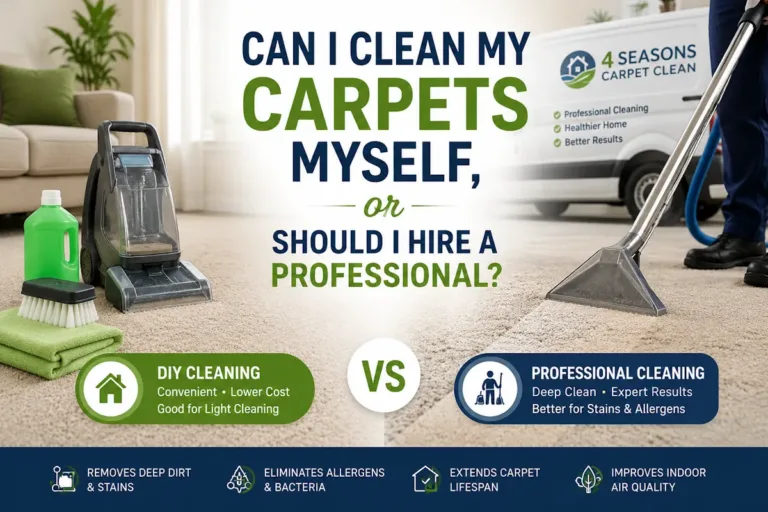
DIY vs Professional Cleaning in Commercial Settings
Some businesses attempt in-house cleaning to save costs—but this rarely delivers the same results.
DIY Cleaning Limitations
- Limited equipment power
- Inability to remove deep contaminants
- Risk of over-wetting and damage
Professional Cleaning Advantages
- Industrial-grade equipment
- Deep extraction and sanitisation
- Faster drying and better results
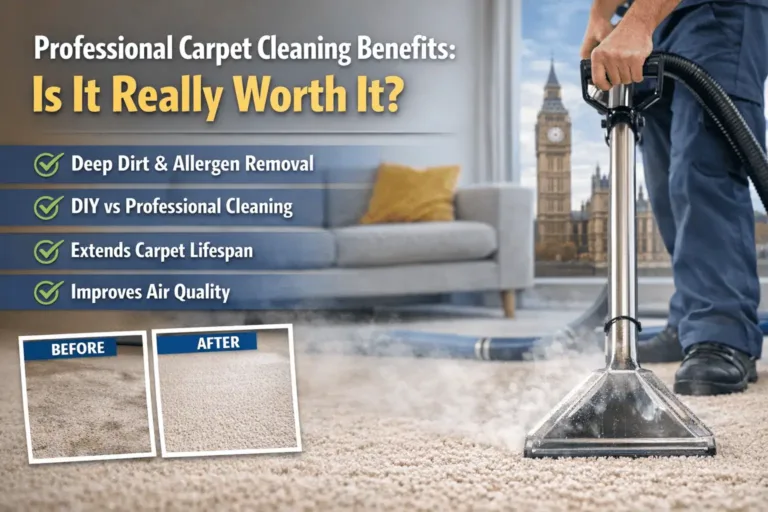
For commercial environments, professional cleaning is not just more effective—it’s more cost-efficient long-term.
Learn more about professional carpet cleaning services designed for businesses.
Choosing the Right Commercial Carpet Cleaning Provider
Not all cleaning companies are equal. Choosing the right provider makes a significant difference.
Look for:
- Experience with commercial properties
- Flexible scheduling (including out-of-hours)
- Transparent pricing per m²
- Use of eco-friendly and safe cleaning solutions
- Proven track record and reviews
For delicate or high-value carpets, such as Persian rugs in offices or hotels, specialist cleaning is essential.
How to Build a Smart Cleaning Schedule
The most effective approach isn’t reactive—it’s planned.
A smart commercial cleaning strategy includes:
- Regular maintenance cleaning (monthly or quarterly)
- Scheduled deep cleaning (annually or biannually)
- Immediate response for spills and stains
This approach reduces long-term costs, maintains appearance, and extends carpet lifespan.
Common Mistakes Businesses Make
Even experienced managers get this wrong.
- Waiting until carpets look dirty
- Choosing the cheapest provider instead of the best value
- Ignoring high-traffic areas
- Not scheduling regular maintenance
These mistakes lead to higher costs over time due to damage and premature replacement.
Final Thoughts
Commercial carpet cleaning in London isn’t just a maintenance task—it’s a business decision.
Clean carpets improve workplace hygiene, enhance brand image, and extend the lifespan of your flooring investment. More importantly, they create a healthier environment for employees and customers.
For most businesses, the best approach is clear. Combine regular maintenance with professional deep cleaning. Schedule services around daily operations. Choose a provider who understands commercial needs.
Done properly, carpet cleaning becomes a strategic advantage—not just a cost.
Frequently Asked Questions
How often should commercial carpets be cleaned?
Typically every 3–6 months for high-traffic areas and every 6–12 months for standard office spaces.
How much does commercial carpet cleaning cost in London?
Usually between £2 and £4 per square metre, depending on the size, condition, and cleaning method.
Is out-of-hours carpet cleaning available?
Yes. Most providers offer evening, overnight, or weekend cleaning to avoid business disruption.
What is the best method for commercial carpet cleaning?
Hot water extraction is best for deep cleaning, while low-moisture methods are ideal for maintenance and quick drying.
Is professional carpet cleaning worth it for businesses?
Yes. It removes deep dirt and bacteria, extends carpet lifespan, and ensures a cleaner, healthier workplace.
Can businesses clean carpets themselves?
Basic maintenance is possible, but professional cleaning is required for deep cleaning and long-term results.