Most UK home contents insurance covers carpet water damage from “sudden and accidental” events — a burst pipe, an overflowing appliance, or a leak from a neighbouring flat. It usually won’t cover damage from gradual leaks, poor maintenance, or wear. The deciding factor is almost always whether the cause was sudden and unforeseen, not the damage itself.
Key Takeaways
- Sudden, accidental water damage (burst pipes, appliance floods) is typically covered by UK contents insurance.
- Gradual leaks, neglect and general wear are usually excluded — insurers look at the cause.
- Carpets are contents, not buildings — you generally need contents cover for the carpet itself.
- Acting fast and documenting everything strengthens a claim and limits the damage insurers expect you to mitigate.
This is general information, not financial or insurance advice. Always check your own policy wording and speak to your insurer.
What Water Damage Does Home Insurance Cover?
UK home insurance generally covers water damage that’s sudden and accidental — the kind you couldn’t have prevented. A pipe bursts, a washing machine floods the room, or water escapes from a flat upstairs. These “escape of water” events are a standard feature of most contents policies.
Typically covered:
- Burst or frozen pipes
- Escape of water from appliances, tanks or heating systems
- Leaks from a neighbouring property
- Storm and flood damage (where flood cover is included)
Whatever your cover, the priority is limiting the damage while you wait — our emergency carpet cleaning service helps you mitigate fast, which insurers expect.
What’s Usually Not Covered?
Insurers usually reject claims where the damage built up over time or could have been prevented, because these aren’t “sudden and accidental”. A slow leak you ignored, or damage from ageing pipework you never maintained, typically falls outside cover.
Commonly excluded:
- Gradual leaks left unaddressed
- Lack of maintenance — worn seals, ageing pipes
- General wear and tear on the carpet itself
- Damage while a property is left unoccupied beyond policy limits
- Escape of water where the property was left unheated in winter, in some policies
What we see on the job: The saddest calls are slow under-sink or radiator leaks that soaked the carpet over weeks — the damage is bad, but because it was gradual, the claim often fails. A sudden burst pipe with the same damage usually pays out.
Are Carpets Covered by Buildings or Contents Insurance?
Carpets are almost always treated as contents, not buildings, so you generally need contents insurance for the carpet itself — even though the water may have come through the building’s pipes. Fitted carpets sit in a grey area between the two, so check your wording.
The rough split:
- Buildings insurance — the structure, and often the cost of finding and fixing the leak source
- Contents insurance — carpets, rugs, furniture and belongings damaged by the water
- Fitted carpets — usually contents, but some policies include them under buildings; confirm which
Because rugs are clearly contents, a valuable Persian or Oriental rug damaged by water is typically a contents claim — keep any valuation you have.
How Do I Make a Carpet Water Damage Claim?
Act fast, document everything, and mitigate the damage — insurers expect you to limit loss, not just claim for it. The stronger your evidence and the quicker you act, the smoother the claim.
Step by step:
- Stop the source and make safe — turn off water and power as needed.
- Photograph and video everything before you move or dry anything.
- Contact your insurer promptly — report within any deadline in your policy.
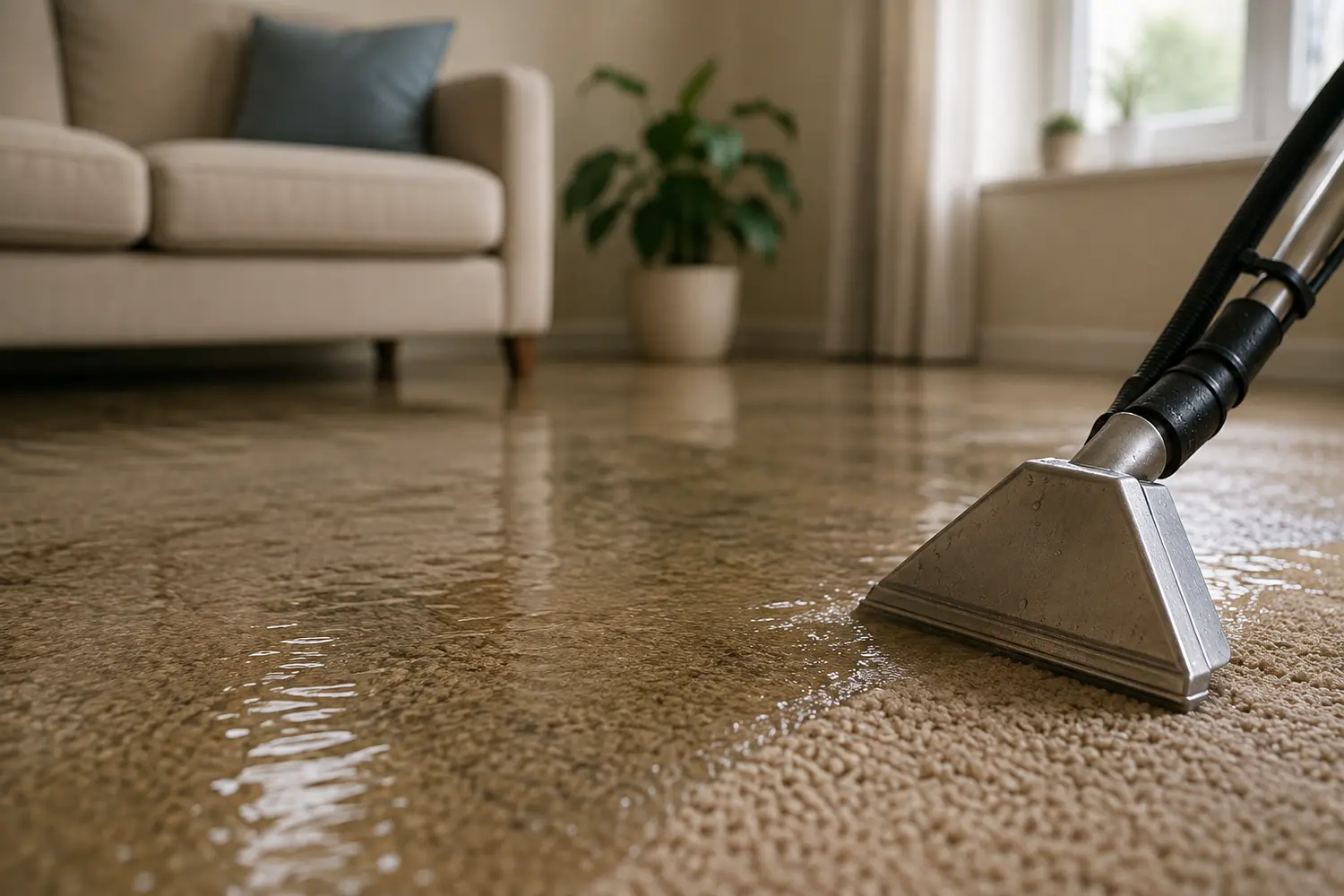
- Mitigate the damage — extract water and start drying; keep carpets from sitting wet.
- Keep all receipts — professional cleaning, drying and any replacements.
A professional extraction receipt shows you acted to limit the damage. For the practical recovery side, see restoring water-damaged carpets and what to do in the first hour after a flood.
Should I Clean or Replace a Water-Damaged Carpet for a Claim?
Cleaning is often the cheaper outcome insurers prefer, and a professional assessment tells you — and them — whether the carpet can be saved. Clean-water damage caught early usually means cleaning and drying; contaminated water or long delays usually mean replacement.
Get a professional opinion before deciding, because guessing either way can cost you. If you’re in London, we assess water-damaged carpets honestly, provide a documented receipt for your claim, and clean or advise on replacement. Learn the method in what hot water extraction cleaning is.
Frequently Asked Questions
Does insurance cover a burst pipe soaking my carpet?
A burst pipe is a classic “sudden and accidental” event, so carpet damage from it is typically covered by contents insurance, subject to your excess and policy terms. Report it promptly, photograph the damage, and mitigate by extracting water and drying — insurers expect you to limit the loss while the claim is processed.
Will insurance pay if my carpet was damaged by a slow leak?
Usually not. Gradual damage from a slow, unnoticed leak is commonly excluded because it isn’t sudden or accidental, and insurers may argue it could have been prevented. Cover depends on your specific wording, so check the policy — but slow-leak carpet claims are far more likely to be refused than burst-pipe ones.
Should I clean or replace a water-damaged carpet?
It depends on the water and the delay. Clean water extracted within 24–48 hours often means the carpet can be cleaned and saved; sewage, floodwater, or carpet left wet for days usually needs replacing for health reasons. A professional assessment gives you a documented answer for both you and your insurer.
Does a cleaning receipt help my insurance claim?
Yes — a dated professional cleaning or extraction receipt shows you mitigated the damage, which insurers require, and documents the loss. Keep it with your photos and any correspondence. Evidence that you acted quickly to limit damage can make the difference between a smooth claim and a disputed one.
Does Home Insurance Cover Water-Damaged Carpet Underlay?
Many homeowners focus on the carpet itself, but the underlay often suffers the most damage. If clean water from a burst pipe or appliance leak soaks through the carpet, insurers may also cover replacing the underlay if it cannot be professionally dried. However, if moisture has been left for several days and mould develops because the damage wasn’t addressed promptly, the insurer may reduce or reject part of the claim.
Professional moisture testing can determine whether the underlay can be safely dried or needs replacing.
Will Home Insurance Pay to Clean or Replace My Carpet?
Most insurers prefer repairing or cleaning damaged items when it is practical and cost-effective. If a carpet can be restored through professional water extraction and structural drying, cleaning is usually approved instead of replacement.
Replacement is more likely when:
- The carpet has been contaminated by sewage or floodwater.
- Water has remained for several days.
- The backing or underlay has deteriorated.
- Mould growth has started.
- A professional restoration company determines the carpet cannot be safely restored.
Obtaining a professional assessment before disposing of the carpet can help support your insurance claim.
What Happens After You Submit an Insurance Claim?
Knowing what to expect can make the claims process less stressful.
Typical claim process
- Stop the source of the water.
- Contact your insurer as soon as possible.
- Take photographs and videos of all affected areas.
- Arrange emergency water extraction to minimise damage.
- A loss adjuster may inspect the property.
- The insurer decides whether cleaning, drying or replacement is appropriate.
- Repairs or settlement are authorised.
Keeping invoices, moisture reports and photographs can help avoid delays.
What If the Water Came From a Neighbour’s Property?
Water damage caused by a neighbouring flat or property is common in apartments and converted houses.
In many cases:
- You should report the damage to your own insurer first.
- Your insurer may recover costs from the neighbour’s insurer if they were responsible.
- The building management company may also become involved if communal plumbing caused the leak.
Even if liability is still being investigated, immediate drying and water extraction should not be delayed.
Can Mould Develop After Carpet Water Damage?
Yes. Mould can begin developing within 24 to 48 hours if carpets remain damp.
Signs include:
- Musty odours
- Dark staining
- Damp underlay
- Allergy symptoms
- Visible mould around skirting boards
Professional extraction, air movers and commercial dehumidifiers significantly reduce the risk of mould growth and secondary damage.
Does Accidental Damage Cover Make a Difference?
Some UK insurers offer optional accidental damage cover alongside standard home insurance.
This extension may provide additional protection for incidents such as accidentally overflowing a bath or damaging plumbing while carrying out DIY work.
However, accidental damage cover does not usually override exclusions relating to poor maintenance, gradual deterioration or wear and tear.
Always check your policy wording to understand what is included.
H2: Does Making a Water Damage Claim Increase Your Insurance Premium?
A successful claim may affect future premiums, although the impact varies between insurers.
Premium changes depend on factors such as:
- The value of the claim
- Previous claims history
- The cause of the damage
- Your insurer’s underwriting policy
While some homeowners worry about premium increases, delaying necessary mitigation can often lead to much higher repair costs.
H2: Can You Stay in Your Home While the Carpet Is Drying?
In most cases, yes.
Professional drying equipment is designed to remove moisture while allowing homeowners to remain in the property. However, if severe flooding affects multiple rooms or structural repairs are required, your insurer may arrange temporary accommodation depending on your policy.
Drying typically takes anywhere from 2 to 5 days, depending on:
- The amount of water
- Carpet thickness
- Underlay condition
- Ventilation
- Humidity levels
H2: How Long Does It Take to Dry a Water-Damaged Carpet?
Drying time depends on how quickly treatment begins.
| Situation | Typical Drying Time |
|---|---|
| Small clean-water leak | 24–48 hours |
| Burst pipe | 2–5 days |
| Large room flooding | 3–7 days |
| Contaminated water | Often requires replacement |
Using household fans alone is rarely enough. Professional extraction equipment removes significantly more water before the drying process begins.
Common Reasons Water Damage Insurance Claims Are Rejected
Understanding why claims fail can help homeowners avoid costly mistakes.
Common reasons include:
- Waiting too long to report the damage.
- Failing to stop the leak.
- Poor maintenance or ageing pipework.
- Long-term unnoticed leaks.
- Lack of evidence or photographs.
- Disposing of the carpet before the insurer has inspected it.
- Not taking reasonable steps to reduce further damage.
Keeping detailed records and arranging prompt professional drying demonstrates that you have taken reasonable steps to minimise the loss.
Professional Carpet Water Damage Assessment in London
If your carpet has been affected by a burst pipe, appliance leak or escape of water, obtaining a professional assessment as quickly as possible can improve the chances of successful restoration.
At 4 Seasons Carpet Clean, we provide:
- Emergency water extraction
- Moisture testing
- Professional structural drying
- Carpet restoration where appropriate
- Honest advice when replacement is the safer option
- Itemised invoices suitable for insurance claims
Fast action often makes the difference between restoring a carpet and replacing it entirely.
The Bottom Line
In the UK, home insurance usually covers carpet water damage when the cause was sudden and accidental — burst pipes, appliance floods, escape of water — and usually won’t when it was gradual or preventable. Carpets are contents, so contents cover is what you’ll normally rely on.
Whatever your policy says, act fast: extract, dry, document. Book emergency carpet cleaning in London to mitigate the damage and get a receipt for your claim.