Table of Contents
Summer is the ideal time to deep clean carpets, sofas, and rugs. Warmer temperatures help them dry faster and reduce the risk of trapped moisture. However, summer also brings pollen into your home. It brings dust and pet dander too. More people coming and going can track in garden debris. Food spills and other allergens can also end up inside.
Without a proper cleaning routine, these contaminants settle deep into carpet fibres and upholstery fabrics. This summer cleaning checklist lists the tasks our technicians do across London. It helps keep soft furnishings hygienic, fresh-smelling, and longer-lasting. It also helps homeowners maintain healthier indoor air quality.
Key Takeaways
- Deep clean carpets during summer for faster drying (Drying times are typically 30–50% faster in summer).
- Vacuum upholstery weekly.
- Rotate rugs every three months.
- Remove stains immediately.
- Schedule professional cleaning every 6–12 months.
Summer Cleaning Checklist at a Glance
| Task | Frequency |
|---|---|
| Vacuum carpets | Weekly |
| Vacuum sofas | Weekly |
| Rotate rugs | Every 3 months |
| Spot clean stains | Immediately |
| Professional deep cleaning | Every 6-12 months |
Why Summer Is the Best Time for Deep Cleaning
At 4 Seasons Carpet Clean, Over thousands of carpet, rug and upholstery cleaning appointments completed across London since 2016, our technicians have found a spike in bookings during summer. The reason is simple: faster drying conditions allow deeper cleaning methods without prolonged disruption.
Benefits of summer cleaning include:
- Faster carpet and upholstery drying times
- Removal of spring pollen buildup
- Elimination of trapped allergens and dust mites
- Better indoor air quality
- Odour removal before warm weather intensifies smells
- Restoration of carpet appearance after winter wear
- Reduced risk of mould and bacterial growth
For many London households, summer cleaning acts as a reset before autumn and winter bring increased indoor activity.
Complete Summer Cleaning Checklist
| Area | Task | Recommended Frequency |
| Carpets | Deep vacuuming | Weekly |
| Carpets | Spot stain treatment | As needed |
| Carpets | Professional deep clean | Every 6–12 months |
| Sofas | Vacuum crevices and cushions | Weekly |
| Sofas | Fabric inspection | Monthly |
| Sofas | Professional upholstery cleaning | Every 12 months |
| Rugs | Shake and dust removal | Monthly |
| Rugs | Rotation to prevent wear | Every 3 months |
| Rugs | Professional rug cleaning | Every 12 months |
| Pet Areas | Odour treatment | As needed |
| High-Traffic Areas | Fibre restoration | Quarterly |

Carpet Cleaning Checklist
1. Move Furniture and Inspect High-Traffic Areas
Before cleaning, inspect:
- Hallways
- Stairs
- Living room entrances
- Areas around sofas
- Dining room walkways
These locations often contain compacted soil that standard vacuuming cannot remove. High-traffic carpet areas can accumulate several times more particulate matter than low-use rooms.
Professional technicians use specialist carpet rakes before extraction cleaning to lift crushed fibres and expose embedded dirt hidden below the pile surface.
2. Perform Slow, Methodical Vacuuming
One of the most common mistakes homeowners make is vacuuming too quickly.
For effective soil removal:
- Vacuum in multiple directions
- Make slow overlapping passes
- Use edge tools along skirting boards
- Pay attention to corners and under furniture
During summer, open windows often increase airborne dust entering the property. Thorough vacuuming prevents these particles from becoming permanently embedded.
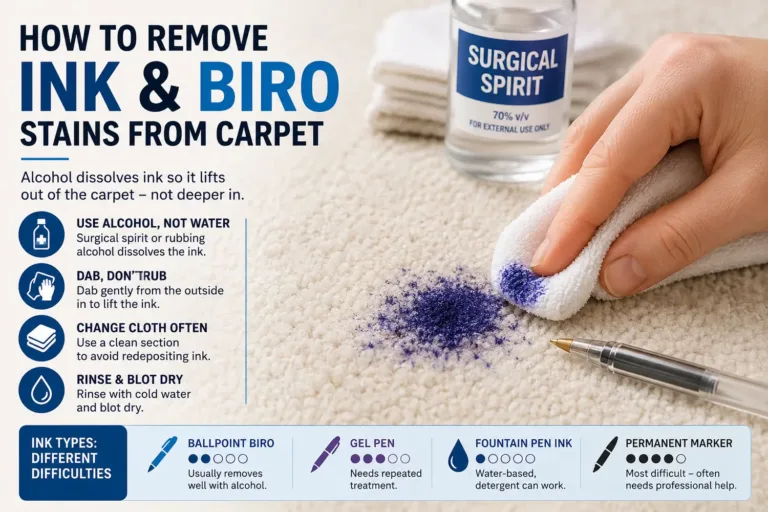
3. Treat Stains Before They Set
Summer activities increase the likelihood of:
- Ice cream spills
- Soft drink stains
- BBQ grease
- Muddy garden footprints
- Pet accidents
Immediate treatment dramatically improves stain removal success.
If you have pets, our detailed guide on removing stubborn pet stains from carpets can help prevent permanent damage: https://4seasonscarpetclean.co.uk/removing-pet-stains-from-carpets/
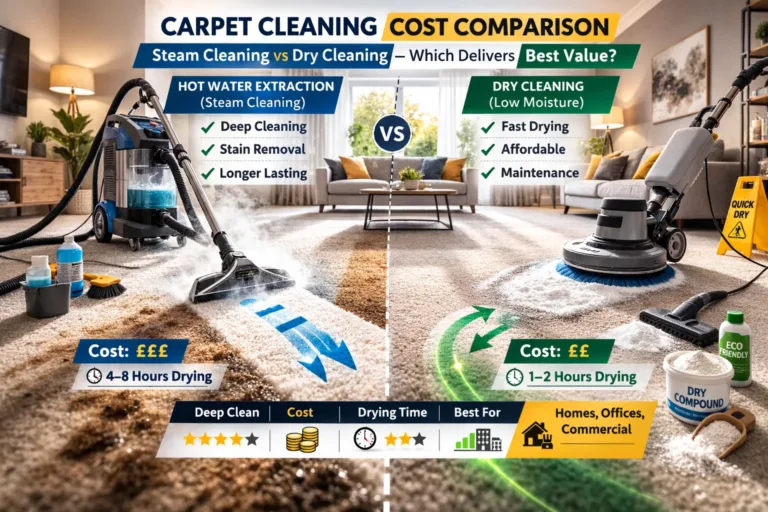
4. Deep Clean Using Hot Water Extraction
For most synthetic and wool carpets, hot water extraction remains the gold standard.
Our professional teams use high-temperature extraction systems capable of:
- Flushing deep contaminants
- Removing allergens
- Extracting pet dander
- Eliminating bacteria
- Breaking down embedded soils
Unlike rental machines, professional extraction units deliver significantly stronger vacuum recovery, leaving carpets cleaner and drier.
For homeowners seeking a professional service, our London carpet cleaning specialists provide deep extraction cleaning across residential and commercial properties:
Summer Sofa Cleaning Checklist
Sofas accumulate surprising amounts of contamination throughout the year.
Typical contaminants include:
- Skin cells
- Body oils
- Food crumbs
- Pet hair
- Dust mites
- Airborne pollen
1. Remove and Vacuum Cushions
Take off all removable cushions and vacuum:
- Cushion tops
- Cushion undersides
- Armrests
- Crevices
- Fabric seams
Use upholstery attachments to avoid damaging delicate fibres.
2. Remove Pet Hair Properly
Many homeowners struggle with stubborn pet hair.
Professional techniques include:
- Rubber squeegee extraction
- Upholstery brushes
- Electrostatic collection tools
Rubber squeegee mechanics work particularly well because static friction pulls embedded hair from woven upholstery fabrics more effectively than standard vacuum cleaners.
3. Check for Fabric-Specific Requirements
Not all sofas should be cleaned the same way.
| Fabric Type | Recommended Cleaning Method |
| Polyester | Hot water extraction |
| Microfibre | Low-moisture cleaning |
| Cotton Blend | Controlled extraction |
| Velvet | Specialist upholstery treatment |
| Linen | Low-moisture encapsulation |
| Leather | Dedicated leather cleaning system |
Always check manufacturer care labels before applying any cleaning products.
4. Neutralise Odours
Summer temperatures often amplify existing odours trapped in upholstery.
Professional odour treatments target:
- Pet smells
- Food odours
- Smoke residue
- Sweat-related odours
At 4 Seasons Carpet Clean, technicians frequently use industrial-grade Prochem cleaning formulations designed to neutralise odour molecules rather than simply masking them with fragrances.
Summer Rug Cleaning Checklist
Rugs often receive less attention than fitted carpets, yet they trap significant amounts of dirt and allergens.
1. Shake Out Loose Debris
Where practical:
- Take rugs outdoors
- Shake thoroughly
- Beat dust from the backing
- Vacuum both sides
This removes particles before deep cleaning begins.
2. Rotate Rugs
Summer sunlight can cause uneven fading.
Rotate rugs every three months to:
- Balance wear patterns
- Prevent colour inconsistency
- Extend rug lifespan
3. Inspect for Damage
Look for:
- Frayed edges
- Loose stitching
- Curling corners
- Colour bleeding
- Moth damage
Early intervention can prevent costly repairs later.
4. Use the Correct Cleaning Method
Different rug fibres require different approaches.
| Rug Type | Preferred Cleaning Method |
| Wool Rug | Controlled wash process |
| Persian Rug | Specialist hand-cleaning |
| Oriental Rug | Fibre-specific treatment |
| Synthetic Rug | Hot water extraction |
| Silk Rug | Delicate low-moisture process |
| Shaggy Rug | Deep pile agitation and extraction |
Using the wrong cleaning process can permanently damage valuable rugs.
Don’t Forget Summer Odour Control
Many homeowners assume visible cleanliness equals true cleanliness.
In reality, odours often remain trapped deep within carpet backings and upholstery padding.
Common summer odour sources include:
- Pet urine
- Food spills
- Moisture accumulation
- Sweat and body oils
- Organic bacteria
For a complete breakdown of effective odour removal methods, see our guide on how to get rid of carpet smells permanently:
Professional treatment often involves breaking down organic uric acid bonds that standard household cleaners cannot fully eliminate.
Professional Techniques That Deliver Better Results
Low-Moisture Encapsulation
For commercial environments and delicate fibres, low-moisture encapsulation offers:
- Faster drying
- Reduced disruption
- Effective soil suspension
- Lower risk of overwetting
Encapsulation detergents surround soil particles with microscopic polymers that are later vacuumed away.
Carpet Grooming and Fibre Restoration
After cleaning, professional carpet rakes help:
- Restore pile direction
- Improve appearance
- Accelerate drying
- Prevent matting
This finishing step is often overlooked by DIY cleaners.
Industrial Prochem Formulations
Professional-grade Prochem solutions are specifically designed to:
- Break down organic contamination
- Remove pet dander
- Neutralise allergens
- Eliminate stubborn odours
- Protect carpet fibres
These products differ significantly from standard supermarket cleaners.
Summer Cleaning Mistakes to Avoid
Overwetting Carpets
Excessive moisture can lead to:
- Browning
- Mould growth
- Delamination
- Prolonged drying
Using Excess Detergent
Too much detergent leaves sticky residue that attracts more dirt.
Ignoring Pet Accidents
Pet urine can penetrate:
- Carpet fibres
- Carpet backing
- Underlay
- Floorboards
Professional treatment is often required to fully remove contamination.
Scrubbing Stains Aggressively
Aggressive scrubbing can:
- Damage fibres
- Spread stains
- Create permanent distortion
Blotting is always preferable.
Why London Homeowners Schedule Summer Cleaning
Many of our customers throughout Paddington and surrounding London boroughs use summer as their annual deep-cleaning period.
Our Paddington carpet cleaning team regularly helps homeowners prepare properties for summer entertaining, allergy reduction, and improved indoor hygiene:
With a verified Checkatrade track record and a 5.0-star Google rating, our technicians follow industry-recognised NCCA and BICSc cleaning standards to ensure safe, effective results across carpets, rugs, and upholstery.
Summer Cleaning Timeline
| Week | Task |
| Week 1 | Deep vacuum carpets and upholstery |
| Week 2 | Spot-treat stains |
| Week 3 | Rotate rugs and inspect damage |
| Week 4 | Schedule professional deep cleaning |
| Ongoing | Weekly maintenance vacuuming |
Following this schedule helps prevent dirt accumulation and reduces the need for costly restoration work later.
Frequently Asked Questions
How often should carpets be professionally cleaned?
Most households benefit from professional carpet cleaning every 6 to 12 months. Homes with pets, children, or allergy sufferers may require more frequent cleaning.
Is summer the best season for carpet cleaning?
Yes. Warmer temperatures and lower indoor humidity generally allow carpets and upholstery to dry more quickly after deep cleaning.
Can professional cleaning remove pet odours completely?
In many cases, yes. Professional treatments target organic uric acid deposits and bacteria that cause persistent odours rather than simply masking them.
How long do carpets take to dry after cleaning?
With professional hot water extraction and adequate airflow, most carpets dry within 4 to 8 hours, depending on fibre type and room conditions.
Should rugs and carpets be cleaned at the same time?
Yes. Cleaning both together creates a more consistent appearance and removes contaminants from all soft furnishings simultaneously.
What is the biggest summer cleaning mistake homeowners make?
Waiting until stains and odours become severe. Early treatment and regular maintenance are significantly more effective and less expensive than restoration cleaning.