Table of Contents
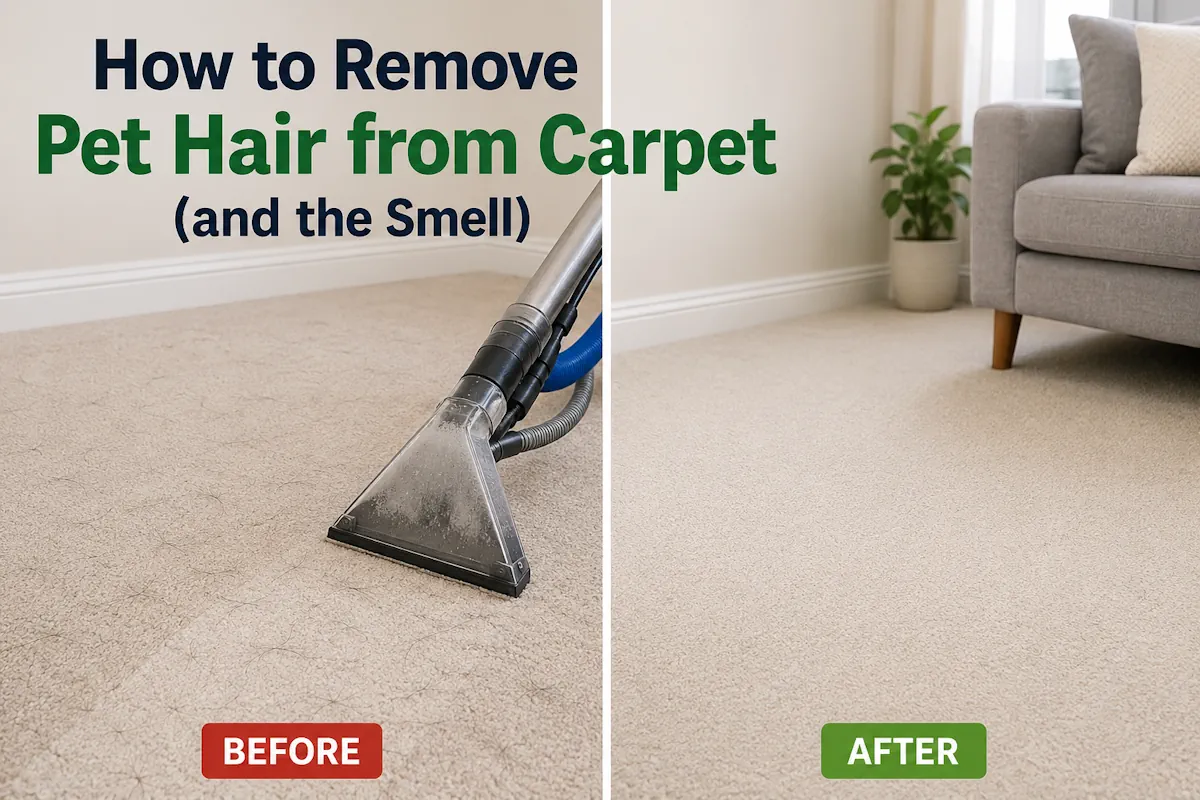
Pet hair embedded deep in carpet fibres is more than a cosmetic problem. It traps pet dander, skin flakes, allergens, bacteria, and odour-causing organic matter. Over time, these contaminants get pressed into the carpet pile, so regular vacuuming works less well and bad smells stay. The most effective solution combines mechanical pet hair removal with proper odour neutralisation. Professional carpet technicians often use carpet rakes, rubber tools, hot water extraction systems, and enzyme cleaners.
These tools remove hair, get rid of pet odours, and restore carpet freshness. This guide explains exactly how to tackle both problems safely and effectively.
Why Pet Hair and Pet Smells Are So Difficult to Remove
Many homeowners assume pet hair sits on the surface. In reality, carpet fibres act like tiny hooks that capture and hold hair, especially in high-traffic areas.
Common problems caused by pet hair include:
- Trapped allergens and pet dander
- Increased carpet wear
- Persistent pet odours
- Reduced indoor air quality
- Difficulty vacuuming effectively
- Attraction of dust and dirt particles
When pet accidents occur, urine can penetrate beyond the carpet fibres into the backing and underlay. As uric acid crystals dry, they continue releasing unpleasant odours, particularly during warm or humid conditions.
For severe odour issues, our guide on getting rid of carpet smells naturally and professionally can help identify deeper contamination sources.
The Best Methods for Removing Pet Hair from Carpet
Different carpets require different approaches. Professional technicians often combine several methods for the best results.
Method 1: Use a Rubber Squeegee
A rubber floor squeegee creates friction against carpet fibres.
How it works:
- Pull the squeegee across the carpet in one direction.
- Hair gathers into visible clumps.
- Collect and dispose of the hair.
- Vacuum remaining debris.
This technique is particularly effective for:
- Long pet hair
- Wool carpets
- Dense pile carpets
- Staircases
Method 2: Specialist Carpet Rakes
Carpet rakes are one of the most effective tools used by professional cleaners.
Benefits:
| Advantage | Result |
|---|---|
| Lifts embedded hair | Improves vacuum efficiency |
| Opens carpet pile | Restores appearance |
| Removes trapped debris | Enhances cleanliness |
| Improves airflow | Supports faster drying |
At 4 Seasons Carpet Clean, technicians frequently use carpet grooming tools before extraction cleaning to maximise hair removal and soil recovery.
Method 3: Vacuuming the Right Way
Many people vacuum incorrectly.
For homes with pets:
- Vacuum slowly
- Use overlapping passes
- Vacuum in multiple directions
- Use a motorised brush head
- Empty the vacuum frequently
For heavy shedding breeds, vacuuming 3–4 times weekly may be necessary.
Method 4: Damp Rubber Gloves
A surprisingly effective method involves lightly dampened rubber gloves.
Simply:
- Wear rubber cleaning gloves
- Dampen slightly
- Rub carpet fibres
- Gather loosened hair by hand
This works well on smaller areas and stairs.
Removing Pet Odours from Carpet
Pet hair removal alone will not eliminate smells.
Odours generally come from:
- Pet urine
- Saliva
- Body oils
- Dander accumulation
- Moisture trapped within carpet fibres
The key is breaking down the source rather than masking it.
Why Air Fresheners Don’t Work
Many products simply cover smells temporarily.
Once the fragrance fades:
- Odours return
- Bacteria remain active
- Uric acid crystals remain embedded
- Moisture may still be trapped beneath the surface
Professional cleaning focuses on odour elimination rather than odour masking.
How Professionals Neutralise Pet Odours
Enzyme-Based Treatments
Enzyme cleaners target organic contamination directly.
They break down:
- Proteins
- Bacteria
- Organic waste
- Uric acid compounds
Unlike household deodorisers, enzyme treatments continue working after application.
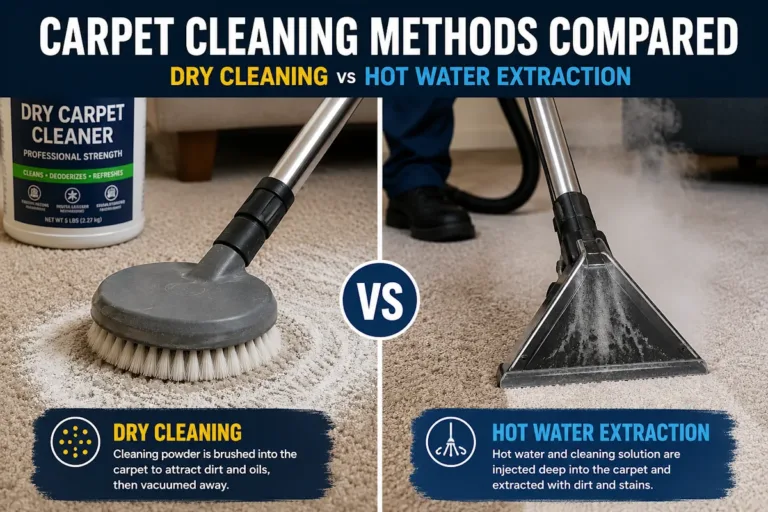
Hot Water Extraction
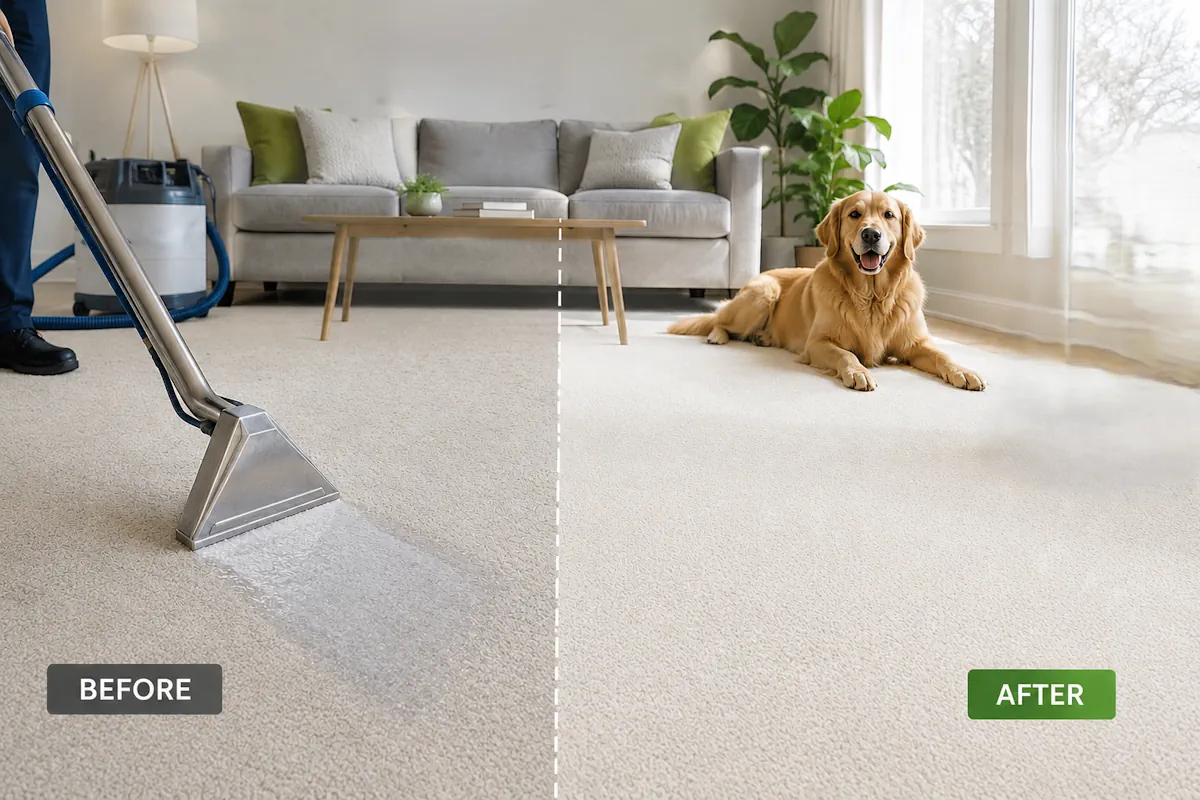
Hot water extraction remains the gold standard for heavily contaminated carpets.
Professional systems inject heated cleaning solution deep into the carpet before extracting:
- Pet hair
- Dander
- Dirt
- Odour-causing contaminants
- Residual cleaning products
This process reaches areas household machines cannot.
For carpets affected by pet accidents, our detailed guide on removing pet stains from carpets safely and effectively provides additional advice.
Industrial Prochem Cleaning Solutions
Professional carpet technicians often rely on specialist Prochem formulations designed specifically for:
- Pet contamination
- Urine treatment
- Odour neutralisation
- Fibre-safe cleaning
These products help break down organic residues while protecting carpet fibres.
DIY vs Professional Pet Hair and Odour Removal
| Task | DIY Methods | Professional Cleaning |
|---|---|---|
| Surface hair removal | Good | Excellent |
| Deep embedded hair | Limited | Excellent |
| Dander removal | Moderate | Excellent |
| Odour neutralisation | Limited | Excellent |
| Uric acid treatment | Difficult | Effective |
| Carpet restoration | Minimal | Significant |
DIY maintenance is important, but severe odours usually require specialist equipment and professional cleaning chemistry.
A Professional Process We Use on Pet-Affected Carpets
At 4 Seasons Carpet Clean, our technicians regularly restore carpets affected by pet hair and odours across London.
A typical treatment process includes:
Step 1: Carpet Inspection
We identify:
- Hair accumulation
- Traffic patterns
- Urine contamination
- Fibre type
- Existing damage
Step 2: Mechanical Hair Removal
Using:
- Specialist carpet rakes
- Industrial vacuum systems
- Rubber extraction tools
Step 3: Targeted Odour Treatment
Affected areas receive:
- Enzyme treatment
- Odour neutralisers
- Pet-safe cleaning agents
Step 4: Hot Water Extraction
High-temperature extraction removes:
- Hair
- Allergens
- Bacteria
- Dander
- Residual odours
Step 5: Grooming and Drying
The carpet pile is groomed and drying times are reduced using professional airflow techniques.
How Often Should Pet Owners Professionally Clean Carpets?
The answer depends on the number and type of pets.
| Household Type | Recommended Cleaning |
|---|---|
| One cat | Every 12 months |
| One dog | Every 6–12 months |
| Multiple pets | Every 3–6 months |
| Allergy sufferers | Every 3–6 months |
Regular professional cleaning helps maintain indoor air quality and prolong carpet life.
Preventing Pet Hair Build-Up
Removing pet hair is easier when you reduce the amount entering the carpet.
Groom Pets Regularly
Regular brushing can significantly reduce shedding.
Use Washable Mats
Place mats near:
- Entrances
- Pet beds
- Feeding areas
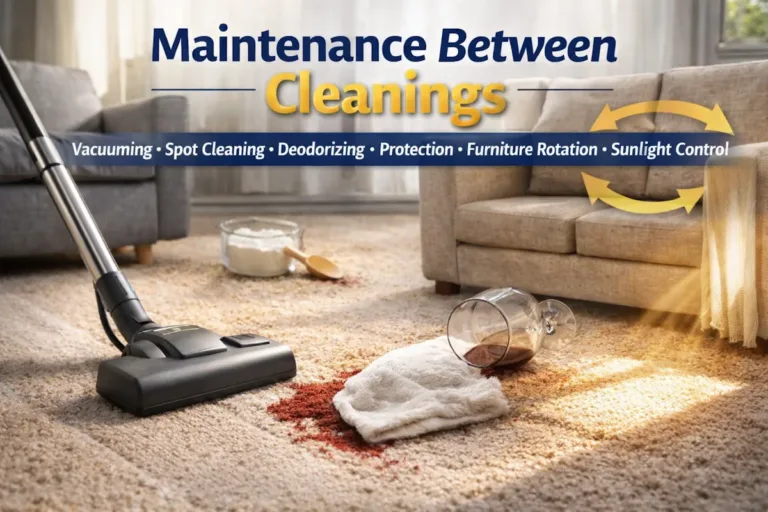
Vacuum Frequently
Consistent vacuuming prevents hair from becoming embedded.
Clean Accidents Immediately
Fresh contamination is easier to remove than dried urine deposits.
For homeowners in West London, our Paddington carpet cleaning specialists regularly help pet owners maintain healthier, fresher carpets throughout the area.
Why Professional Carpet Cleaning Makes a Difference
Pet hair problems often appear manageable until carpets begin smelling despite regular cleaning.
Professional carpet cleaning addresses issues that household equipment simply cannot reach.
Benefits include:
- Deep allergen removal
- Elimination of pet odours
- Improved carpet appearance
- Extended carpet lifespan
- Better indoor air quality
- Reduced bacteria and dander
Our teams routinely use methods aligned with recognised industry standards followed throughout the professional cleaning sector, including NCCA and BICSc best practices.
With a verified 5.0-star Google rating and an established Checkatrade track record, 4 Seasons Carpet Clean has helped homeowners across London restore carpets affected by pets, heavy traffic, stains, and persistent odours. Operating from 47 Westbourne Terrace, Paddington, London W2 3UY, our technicians understand the challenges faced by pet owners in both modern flats and family homes.
If pet hair, dander, and lingering odours have become impossible to manage, professional carpet cleaning services in London can provide a deeper and more permanent solution than household cleaning methods alone.
Frequently Asked Questions
What removes pet hair from carpet best?
A combination of a carpet rake, rubber squeegee, and high-powered vacuum usually provides the best results. Professional cleaning delivers the most thorough removal.
Why does my carpet still smell after vacuuming pet hair?
Vacuuming removes surface hair but does not eliminate bacteria, dander, urine contamination, or uric acid crystals embedded within the carpet.
Does steam cleaning remove pet odours?
Professional hot water extraction can significantly reduce or eliminate pet odours when combined with appropriate enzyme treatments and odour neutralisers.
Can pet urine permanently damage carpet?
Yes. Untreated urine can stain fibres, damage backing materials, and create persistent odours that become increasingly difficult to remove over time.
How do professionals remove pet smells from carpet?
Professionals use enzyme treatments, industrial odour neutralisers, high-temperature hot water extraction, and specialised cleaning solutions to break down organic contamination and remove the source of the smell.
How often should pet owners have carpets professionally cleaned?
Most pet owners benefit from professional cleaning every 6–12 months. Homes with multiple pets or allergy sufferers often require cleaning every 3–6 months.