Table of Contents
A spilled glass of red wine. Muddy footprints across the carpet. Pet accidents that leave behind stubborn odours. Most homeowners immediately reach for supermarket stain removers or DIY carpet cleaning hacks found online. Sometimes they work. Sometimes they make the problem worse.
The truth is that DIY stain removal has its place, but it also has limitations. Using the wrong cleaning solution can permanently damage carpets, rugs, upholstery, and hardwood floors. Too much water can also cause permanent damage. Harsh scrubbing can damage them as well. Professional cleaning uses commercial-grade equipment and specialised techniques. It removes deep stains, bacteria, allergens, and residue safely.
If you are wondering whether to clean stains yourself or hire a professional, this guide helps. It explains when DIY cleaning makes sense and when professional carpet cleaning is the better choice.
The Difference Between DIY Cleaning and Professional Cleaning
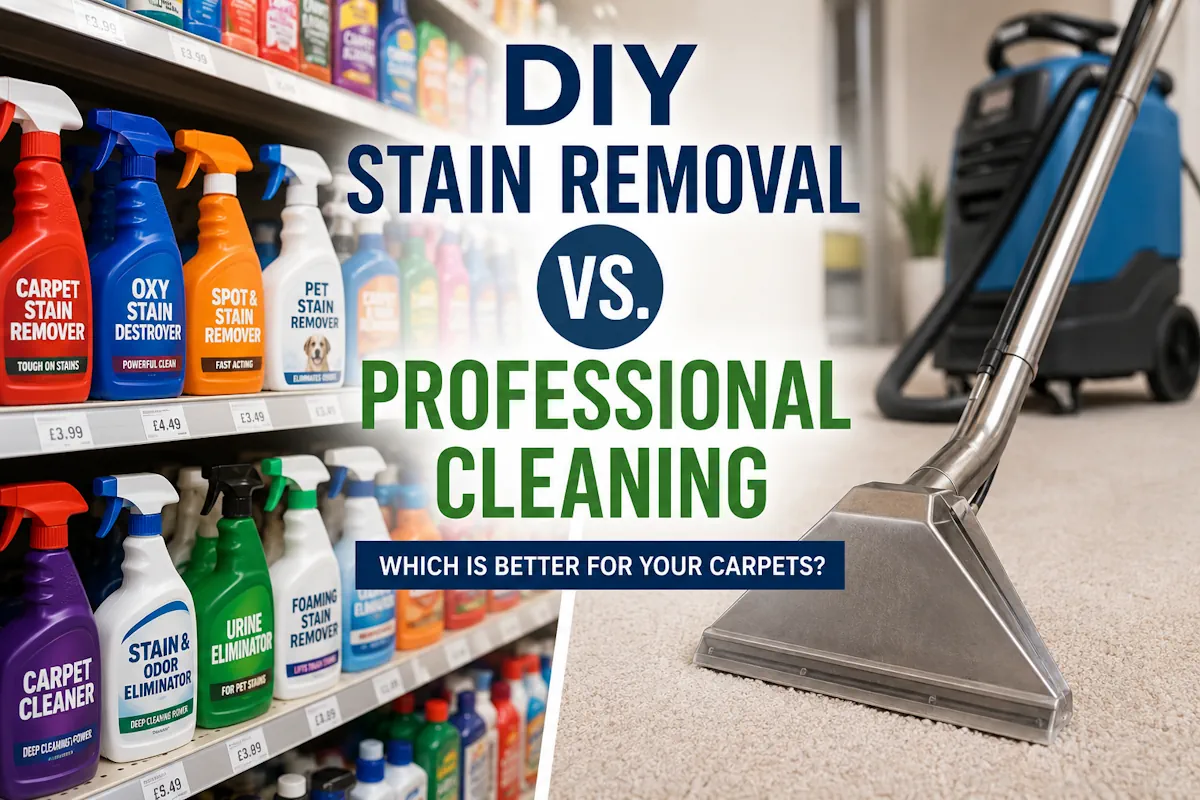
DIY stain removal usually involves household cleaning products, rented machines, supermarket sprays, vinegar solutions, baking soda, or handheld carpet cleaners.
Professional cleaning uses industrial equipment and trained technicians. It also uses advanced stain treatments and deep extraction systems. These systems suit different materials and stain types.
The biggest difference is not just appearance. It’s depth.
DIY methods often clean the surface layer. Professional hot water extraction reaches deep into carpet fibres to remove embedded dirt, bacteria, allergens, and moisture. Industry sources often say hot water extraction is a top carpet cleaning method. It works well for deep cleaning and stain removal.
For homeowners, the challenge is knowing which situations can safely be handled at home and which require expert attention.
When DIY Stain Removal Works Well
DIY carpet cleaning can absolutely help in certain situations.
Fresh spills and minor stains are usually manageable if you act quickly and use the correct method.
Fresh Food and Drink Spills
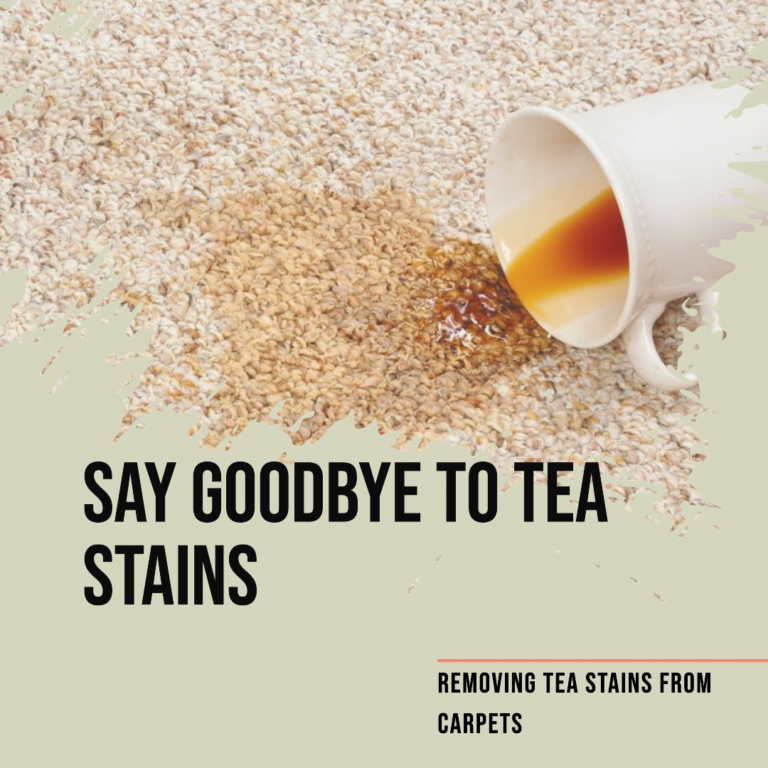
Coffee, tea, juice, or soft drink spills can often be removed successfully if treated immediately.
The key is blotting — not scrubbing.
Scrubbing forces the stain deeper into the fibres and spreads it outward. Professional cleaners regularly see carpets damaged simply because the stain was aggressively rubbed.
Instead:
- Blot the spill with a clean white cloth
- Work from the outside inward
- Use minimal moisture
- Avoid harsh chemicals
- Test any cleaner on a hidden area first
For many fresh stains, warm water and a mild detergent solution are enough.
Small Surface Marks
Light dirt marks near entrances or small spots from shoes or pets are usually suitable for DIY treatment.
Portable spot cleaners can help with isolated areas, especially on synthetic carpets.
However, even successful DIY spot cleaning can leave detergent residue behind if the area is not properly rinsed and extracted.
Routine Maintenance Between Professional Cleans
DIY maintenance works best as a supplement — not a replacement — for deep professional cleaning.
Vacuum often, clean fresh spills fast, and use safe spot treatments at times. This helps carpets and upholstery last longer between professional services.
For regular maintenance cleaning, many homeowners use services like Carpet Cleaning London to keep carpets in good condition year-round.
The Hidden Risks of Over-the-Counter Stain Removers
One of the biggest misconceptions is that stronger chemicals equal better results.
In reality, many supermarket stain removers can cause:
- Bleaching
- Fibre damage
- Sticky residue
- Rapid re-soiling
- Permanent stain setting
- Colour fading
- Over-wetting and mould growth
Professional cleaners frequently encounter carpets damaged more by failed DIY attempts than by the original stain itself.
Residue Attracts More Dirt
Many DIY products leave soap or detergent behind inside carpet fibres.
That residue acts like a magnet for dirt. The carpet may initially look cleaner, but it often becomes dirty again much faster.
Professional hot water extraction systems rinse and remove cleaning agents well. This reduces residue and helps carpets stay cleaner for longer.
Incorrect Chemicals Can Set the Stain Permanently
Some stains react badly to certain household cleaners.
For example:
- Heat can permanently set protein-based stains
- Bleach may damage dyes and fibres
- Vinegar can damage natural stone or delicate fabrics
- Hydrogen peroxide may cause discoloration
- Excess moisture can spread urine contamination deeper
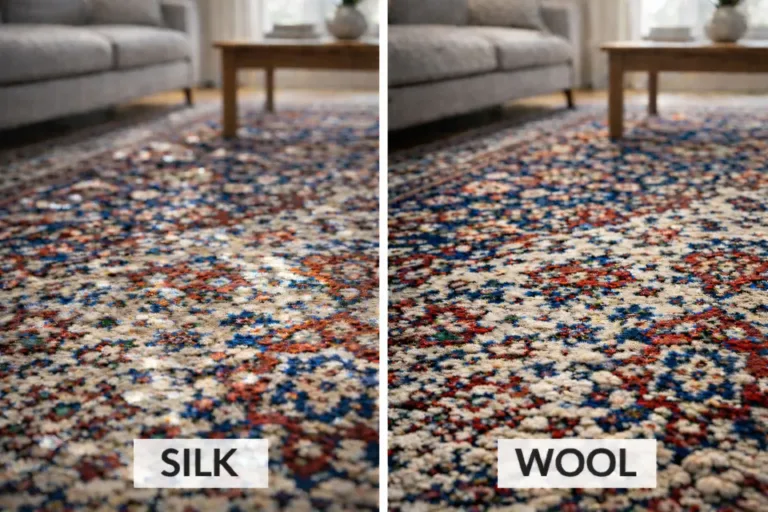
Different fibres require different treatment methods. Wool rugs, natural fibres, silk, and antique rugs are especially vulnerable.
That’s why delicate items often require specialist services like Rug Cleaning London rather than DIY cleaning.
Rental Machines Often Leave Carpets Overwet
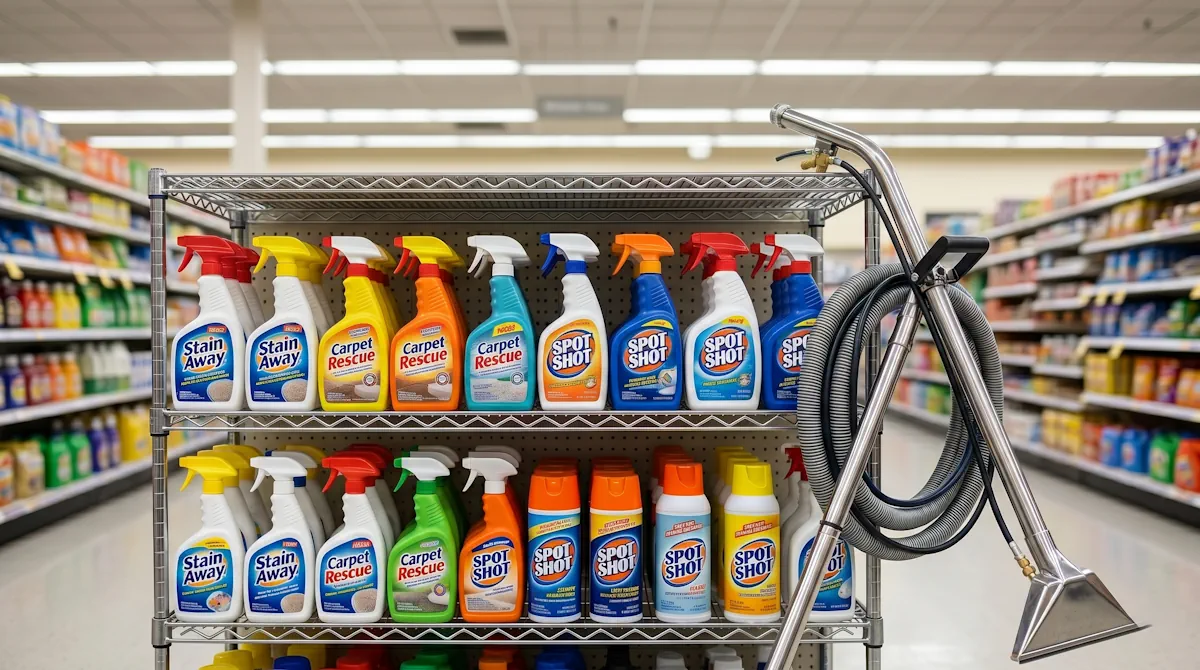
Rental carpet cleaners can improve appearance temporarily, but they rarely match the suction power of professional equipment.
This creates several problems:
- Longer drying times
- Risk of mould or mildew
- Lingering odours
- Deep moisture trapped in underlay
- Residual dirt remaining below the surface
Professional extraction systems remove far more moisture and contaminants from the carpet.
When You Should Call a Professional Cleaner
Some stains and cleaning situations require professional expertise immediately.
Trying DIY methods first can sometimes make restoration more difficult — or impossible.
Pet Urine and Odours
Pet accidents are one of the most common reasons homeowners call professional cleaners.
The visible stain is usually only part of the problem.
Urine often penetrates:
- Carpet fibres
- Underlay
- Subflooring
- Upholstery padding
DIY products may mask odours temporarily without fully removing bacteria and urine crystals.
Professional cleaners use specialised odour-neutralising treatments and deep extraction methods designed specifically for biological contamination.
If the odour returns after DIY cleaning, it usually means the contamination remains deep below the surface.
Red Wine, Coffee, Ink, and Dye Stains
Deep-set stains often require advanced stain chemistry and fibre identification.
Red wine, ink, paint, cosmetics, and dye transfer can permanently bond to fibres if treated incorrectly.
Professional stain removal technicians understand:
- Fibre types
- pH balancing
- Heat sensitivity
- Chemical compatibility
- Safe agitation methods
For stubborn stains, professional Stain Removal London services are usually the safest approach.
Heavy Traffic Areas
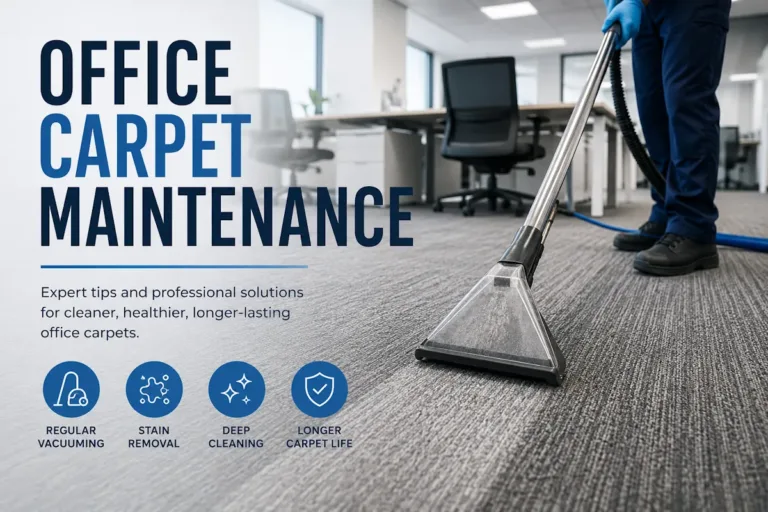
DIY machines struggle with heavily soiled carpets in hallways, stairs, offices, and living rooms.
Professional hot water extraction removes deeply embedded soil and allergens more effectively than standard consumer machines.
High-traffic areas benefit from:
- Commercial-grade extraction
- Pre-treatment solutions
- Fibre-safe agitation
- Faster drying systems
End of Tenancy Cleaning
Landlords and letting agents often expect professional-level cleaning standards.
DIY cleaning can leave visible traffic marks, odours, or uneven results that may affect deposit returns.
Professional End of Tenancy Cleaning London services provide a deeper, more comprehensive clean for carpets, upholstery, kitchens, and bathrooms.
Allergy and Hygiene Concerns
Surface cleaning does not necessarily remove allergens.
Dust mites, bacteria, pollen, and pet dander can remain trapped deep inside carpets and upholstery.
Professional extraction systems paired with HEPA-grade filtration can significantly reduce allergens and improve indoor air quality.
For homes with children, pets, or allergy sufferers, regular deep cleaning can make a noticeable difference.
DIY vs Professional Cleaning: Cost Comparison
At first glance, DIY cleaning seems cheaper.
A rental machine may cost less than hiring professionals for the day.
But the full cost calculation should include:
- Rental fees
- Cleaning products
- Time spent cleaning
- Drying time
- Risk of damage
- Repeat cleaning attempts
- Reduced carpet lifespan
Professional cleaning costs more upfront but often delivers longer-lasting results and helps preserve carpets and upholstery.
Studies and industry comparisons consistently show professional cleaning provides deeper extraction and better long-term carpet maintenance.
In many cases, replacing damaged carpets costs far more than professional cleaning.
Why Professional Hot Water Extraction Is So Effective
Many homeowners refer to professional cleaning as “steam cleaning,” but most professionals actually use hot water extraction.
Hot water extraction works by:
- Applying a cleaning solution
- Injecting hot water deep into fibres
- Agitating embedded dirt
- Extracting contaminants with powerful suction
This process removes:
- Dirt
- Allergens
- Bacteria
- Dust mites
- Odours
- Residue
- Deep soil
Industry experts and carpet makers often recommend hot water extraction. It cleans deep without damaging fibres when done correctly.
Services such as Steam Cleaning London use professional extraction systems designed for both residential and commercial properties.
The Importance of Cleaning Different Materials Correctly
Not all fabrics and flooring respond the same way to cleaning.
Professional technicians assess:
- Fibre composition
- Dye stability
- Moisture sensitivity
- Existing wear
- Manufacturer recommendations
This matters because:
- Wool shrinks with excessive moisture
- Silk stains easily
- Natural fibres can brown
- Hardwood floors can warp
- Upholstery fabrics vary significantly
Professional services such as Upholstery and Sofa Cleaning London use cleaning methods tailored to each surface type.
What Homeowners Often Get Wrong About Stain Removal
One of the most common mistakes is waiting too long.
The longer a stain sits, the harder it becomes to remove.
Other common DIY mistakes include:
- Using too much water
- Scrubbing aggressively
- Mixing chemicals
- Applying bleach
- Ignoring manufacturer instructions
- Using coloured cloths that transfer dye
- Overusing deodorising powders
Sometimes the safest option is to stop attempting DIY fixes and call professionals before permanent damage occurs.
How Often Should Carpets Be Professionally Cleaned?
For most households, professional carpet cleaning every 12–18 months is recommended.
Homes with pets, children, smokers, or allergy sufferers may benefit from cleaning every 6–12 months.
Commercial environments usually require more frequent maintenance due to heavy foot traffic.
Regular professional cleaning helps:
- Extend carpet lifespan
- Improve indoor air quality
- Maintain appearance
- Prevent fibre wear
- Remove deep contaminants
Final Verdict: DIY or Professional Cleaning?
DIY stain removal absolutely has a place.
For small, fresh spills and routine maintenance, careful DIY cleaning can save money and help keep carpets looking tidy.
But DIY methods have limitations.
Supermarket products and rental machines cannot fully replicate the power, extraction capability, and expertise of professional cleaning systems. In some cases, DIY attempts can permanently damage carpets or lock stains deeper into fibres.
Professional cleaning becomes the better option when dealing with:
- Deep stains
- Pet urine
- Strong odours
- Delicate fabrics
- Heavy traffic areas
- Allergy concerns
- End of tenancy requirements
- Valuable rugs and upholstery
The best approach is often a mix of both: quick DIY action for fresh spills, plus planned professional deep cleaning. This helps maintain hygiene, appearance, and carpet life.
For homeowners who want to protect their investment and get a true deep clean, professional cleaning delivers results. DIY methods cannot match them.
FAQ
Is professional carpet cleaning better than DIY cleaning?
Yes, professional cleaning typically removes deeper dirt, allergens, bacteria, and moisture than DIY machines. Professional hot water extraction systems provide a more thorough clean and faster drying times.
Can DIY carpet cleaners damage carpets?
Yes. Using the wrong chemicals, too much water, or excessive scrubbing can damage fibres, cause discoloration, or leave residue behind.
How often should carpets be professionally cleaned?
Most homes benefit from professional carpet cleaning every 12–18 months. Homes with pets, children, or allergies may require more frequent cleaning.
Does professional cleaning remove pet urine smells permanently?
Professional cleaning can significantly reduce or eliminate pet odours when specialised treatments and deep extraction methods are used properly.
Are rental carpet cleaners effective?
Rental machines can help with surface dirt and small stains. But they often lack the power and suction of professional equipment.
What stains are hardest to remove?
Red wine, ink, paint, pet urine, coffee, and dye stains are among the most difficult stains to remove without professional treatment.
Is steam cleaning the same as hot water extraction?
Not exactly. Most professional “steam cleaning” services use hot water extraction. This injects hot water and removes dirt at the same time. It gives a deeper clean.