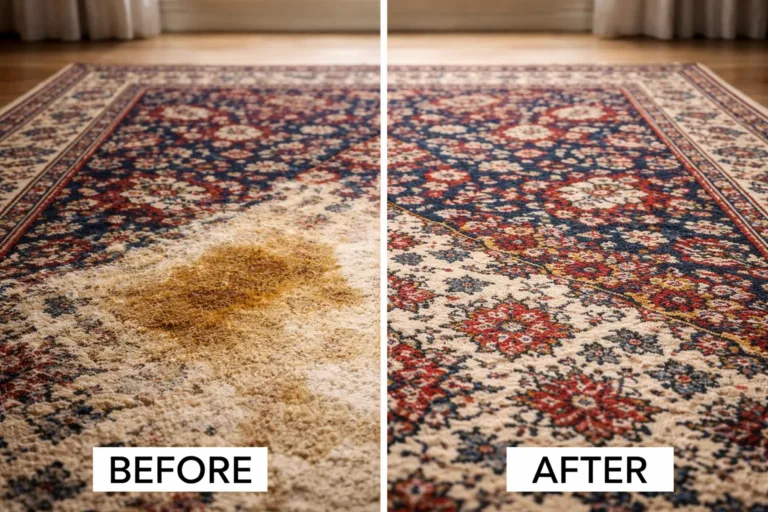
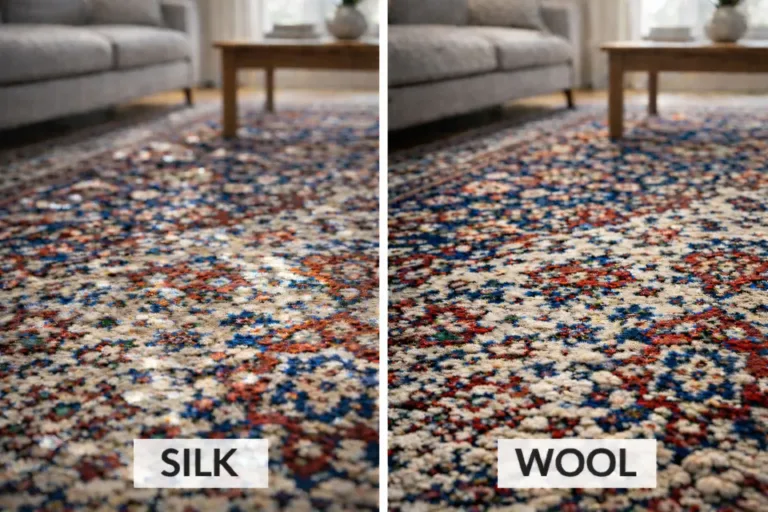
Table of Contents
No blanket UK rule makes landlords professionally clean carpets between every tenancy. In England, the practical legal test is different: the landlord must provide a home that is fit to live in, while the tenant normally returns it in roughly the same condition and cleanliness as at check-in, allowing for fair wear and tear.
A landlord can choose to clean carpets between tenants. A tenant may also have to pay reasonable cleaning costs if the carpet is left materially dirtier than it was at the start of the tenancy. A routine professional-cleaning fee, however, is not the same as a documented claim for tenant-caused cleaning.
Quick answer
- No law requires a professional carpet clean between every tenancy.
- England-focused rules do not allow a landlord to charge a blanket end-of-tenancy cleaning fee simply because a tenancy ended.
- A tenant can be responsible for reasonable cleaning needed because of stains, pet odour, heavy soiling or other damage beyond fair wear and tear.
- Check-in and check-out evidence, carpet age, condition and the actual invoice matter more than a standard clause.
*This guide gives general information, not legal advice. The detailed rules below focus on England. Wales, Scotland and Northern Ireland have separate housing and deposit systems, so check the law and scheme rules that apply where the property is located.*

Is a landlord legally required to clean carpets between tenants?
Usually, no. No general England rule says that every rental carpet must receive professional cleaning after one tenant leaves and before another tenant moves in.
Landlords still have to provide a safe, fit and properly maintained home. A carpet that is contaminated, damp, unsafe or affected by an unresolved repair issue may need attention. That is different from a legal requirement to deep-clean every carpet after every tenancy, even when it is already in a suitable condition.
Many landlords clean anyway because it can:
- remove odour and embedded soil before viewings
- create a clear standard for the next check-in report
- protect carpet life and presentation
- reduce complaints between tenancies
Those are sensible property-management reasons. They do not automatically transfer the cost to the outgoing tenant.
Who pays for carpet cleaning between tenancies?
The landlord normally pays for routine turnover cleaning and ordinary maintenance. The outgoing tenant may be liable where evidence shows that their breach of the tenancy agreement caused an additional, reasonable cleaning cost.
The key comparison is:
- What condition was the carpet in at check-in?
- What condition was it in at check-out?
- Is the change normal wear, or tenant-caused soiling or damage?
- What is the reasonable cost of putting it back to the check-in standard?
A few flattened traffic routes after a two-year tenancy are likely to be fair wear and tear. A large red-wine stain, burn or persistent pet urine odour may be different. Evidence, tenancy length, carpet age and property facts decide the issue.
Can a landlord put professional carpet cleaning in the tenancy agreement?
In England, a landlord or agent should not use a blanket clause that makes the tenant pay for professional cleaning at the end of every tenancy regardless of condition.
The GOV.UK Tenant Fees Act guidance lists permitted payments. A standard cleaning fee is not a free-standing permitted payment. The Act also restricts requiring a tenant to enter into and pay for a third-party service connected with a tenancy.
That does not mean every cleaning-related deduction is automatically unlawful. A landlord can still seek reasonable compensation where the tenant has not returned the property to the required standard and the landlord can prove the resulting loss. The claim should be based on actual shortfall, not an automatic fee or inflated invoice.
Safer wording is condition-based:
Return the property and carpets in the same standard of cleanliness as recorded at check-in, allowing for fair wear and tear.
This sets an outcome. It does not guarantee that a tenant must hire a particular cleaner.
What is fair wear and tear on a rental carpet?
Fair wear and tear means ordinary deterioration caused by normal use over time. A landlord should not treat it as tenant damage or deduct its replacement cost from a deposit.
Likely examples:
- mild flattening in hallways and traffic routes
- gradual fading from sunlight
- small furniture marks that do not damage fibres
- light general soiling consistent with tenancy length
- normal ageing of an older carpet
Potential tenant damage or neglect:
- burns, bleach marks, cuts or tears
- heavy staining from an untreated spill
- pet urine staining or persistent pet odour
- damage from dragging furniture
- mould or damp-related damage caused by failing to report a problem where the tenant was responsible
- Context matters. A small mark in an old carpet is not assessed like the same mark in a new carpet. Compare like with like. Do not charge for defects recorded at check-in.
For stain-specific options, see cleaning common carpet stains before assuming replacement is needed.
Can a landlord deduct carpet cleaning from a tenancy deposit?
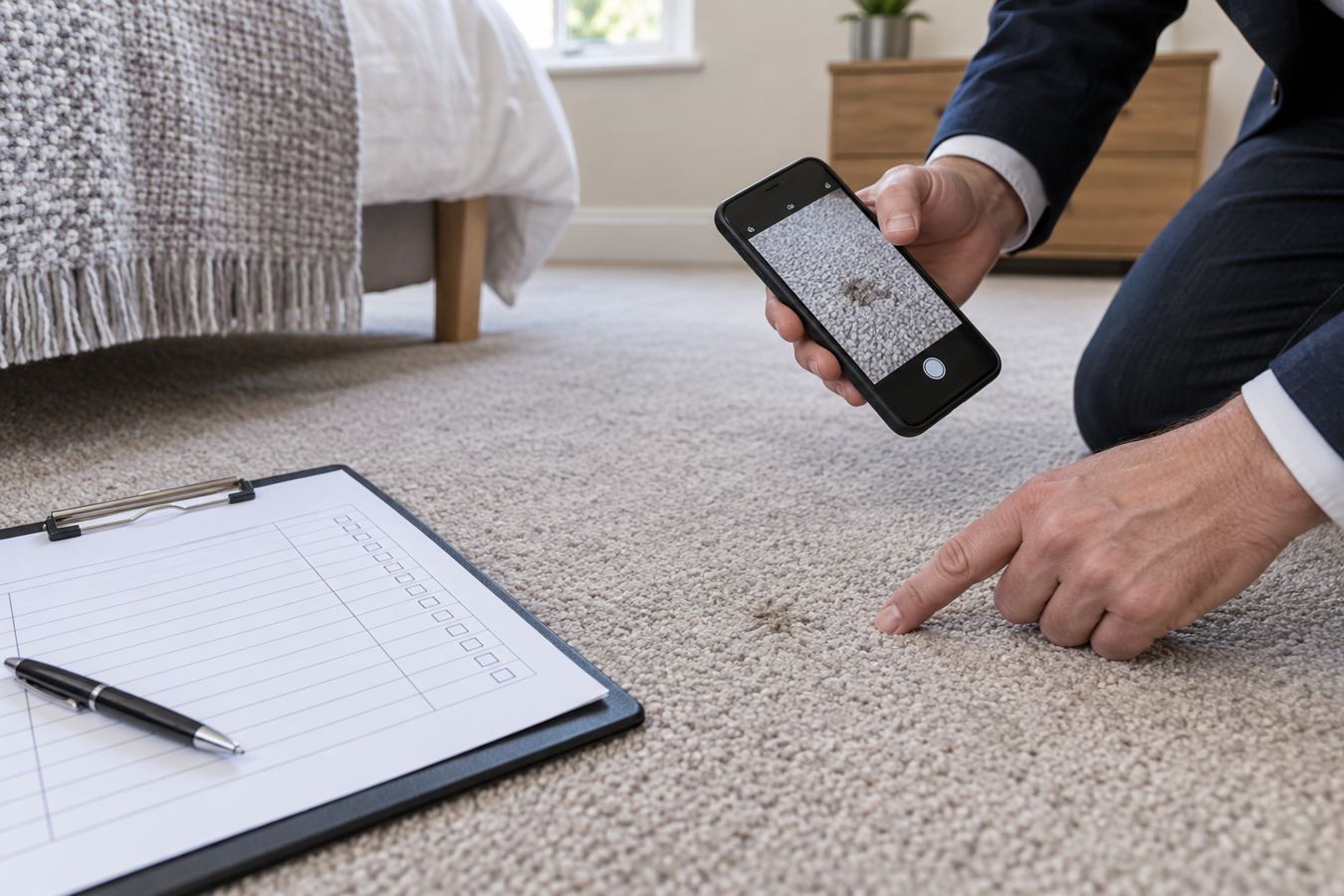
Potentially, yes, where the deduction is reasonable and supported by evidence. A landlord cannot normally deduct for routine professional cleaning, fair wear and tear, pre-existing marks or a better carpet than the one damaged.
Useful evidence:
- Dated check-in inventory.
- Clear check-in and check-out photographs.
- Notes showing room, location, size and type of each mark.
- Messages about spills, pets, leaks or repairs.
- Itemised invoice or realistic quote for work claimed.
- Calculation showing cleaning or repair, not a full upgrade.
The GOV.UK deposit-protection guidance says deposits in covered England tenancies must be protected in an approved scheme, normally within 30 days. At tenancy end, the deposit is returned within 10 days after both sides agree the amount. If disputed, it stays protected while the issue is resolved.
A vague statement such as “carpet cleaning – £250” is weaker than matching photographs, inventory notes and an invoice showing work required.
Can a landlord charge for replacing a carpet instead of cleaning it?
Not automatically. If a stain can be removed for a reasonable cleaning cost, charging for a brand-new carpet may create betterment. The landlord should normally claim the lower reasonable cost, not use an incident to improve the property.
If replacement is genuinely necessary, consider age, quality, expected lifespan and check-in condition. Shelter’s guidance on damage and missing items gives a useful example: where a stain can be cleaned for £50 but a new carpet costs £250, the claim should not automatically be £250.
What should landlords do between tenancies?
1. Check the outgoing inventory
Review the original room-by-room report. Note carpet material, colour, age if known, pre-existing marks and earlier repairs.
2. Photograph before cleaning
Take wide room photographs and close-ups of stains, burns, tears and traffic areas. Keep date and property reference with the files.
3. Separate maintenance from tenant damage
Routine cleaning, gradual ageing and normal turnover are generally landlord costs. Tenant-caused damage needs separate evidence and cost estimate.
4. Choose proportionate work
Professional cleaning makes sense for embedded soil, pet odour, staining or a short turnaround. Do not replace a usable carpet because it looks older than at installation.
For urgent viewings, see landlord emergency carpet cleaning. For normal turnover, compare end of tenancy cleaning prices in London.
5. Keep paperwork
Store check-out report, invoice, photographs and messages together. The file should explain condition change and actual loss without guesswork.
What should tenants do before handing back keys?
Tenants do not automatically have to hire a professional cleaner. Aim to return carpets at check-in standard, subject to fair wear and tear.
Before check-out:
- read cleaning and condition clauses
- compare carpets with check-in inventory
- vacuum edges and under removable furniture
- treat spills promptly and avoid chemicals that can bleach fibres
- report leaks, damp and repairs in writing
- take dated photographs before handing back keys
- keep cleaning receipt and treatment notes
- attend check-out inspection where possible
If professional cleaning is sensible, use a service that provides a dated invoice and records rooms treated. See our London end of tenancy cleaning service or book carpet cleaning services in London.
How to prepare your home before the carpet cleaner arrives
Whether you are a tenant protecting a deposit or a landlord preparing a new check-in, preparation improves carpet-cleaning results. Clear access first. Do not apply strong chemicals immediately before a professional treatment.

Before the cleaner arrives
- Remove small items. Pick up toys, shoes, plants, baskets, loose rugs and floor-level ornaments.
- Move lightweight furniture. Clear tables, dining chairs and small storage units where safe. Ask the cleaner in advance about sofas, beds and heavy furniture.
- Secure cables. Lift charging leads, lamp cables and loose wires off the carpet so equipment can move safely.
- Vacuum thoroughly. Remove dry soil, crumbs, hair and loose pet debris. Pay attention to skirting boards, stairs and edges.
- Mark problem areas. Tell the technician about stains, pet accidents, burns, previous DIY treatments and delicate fibres.
- Protect valuables. Move fragile items and anything that could be damaged by moisture. Keep documents, electronics and medicines away from work areas.
- Plan access and drying time. Keep parking, keys, water access and clear walkways available. Avoid scheduling furniture replacement or tenant move-in too soon after cleaning.
- Keep children and pets away. Arrange a safe room until carpet is dry and equipment has been removed.

What not to do before professional cleaning
Do not soak the carpet, scrub aggressively, spread baking soda into pile or apply bleach. DIY residue can affect treatment and may create a new stain. Blot fresh spills, record what happened and show the technician.
For drying guidance after treatment, see how to dry a carpet after cleaning. Tenants should also take dated photographs after work and keep the invoice with their check-out evidence.
How can a tenant challenge an unfair carpet deduction?
Ask for:
- check-in and check-out evidence
- explanation of why condition exceeds fair wear and tear
- invoice or quote
- calculation of amount claimed
- explanation of how carpet age and betterment were considered
Reply in writing with photographs, receipts and repair reports. Do not ignore a deadline set by the deposit scheme.
If agreement is not possible, use the scheme’s dispute service. Shelter’s inventory guidance explains why dated, matching evidence helps both sides. Tenants can also seek advice from Shelter, Citizens Advice or a housing solicitor.
Frequently asked questions
Do landlords have to clean carpets between tenancies in the UK?
No blanket rule requires professional carpet cleaning after every tenancy. England-focused disputes turn on fitness, check-in standard, fair wear and tear, tenant-caused damage and reasonable cost. Wales, Scotland and Northern Ireland have separate rules.
Can my landlord force me to pay for professional carpet cleaning?
Not as an automatic fee simply because tenancy ended. A landlord may seek reasonable costs where evidence shows that the tenant left carpet materially dirtier or damaged beyond fair wear and tear. The claim should not require a particular cleaner or exceed actual reasonable loss.
Is carpet cleaning fair wear and tear?
Routine ageing, light soiling and flattened pile from ordinary use may be fair wear and tear. Heavy stains, burns, tears or pet odour may be tenant damage. Assessment depends on evidence, tenancy length, carpet age and check-in condition.
Can a landlord deduct the full price of a new carpet?
Usually not where cleaning or repair would solve the problem. If replacement is necessary, account for age, quality, remaining life and betterment. Challenge unsupported full replacement through the deposit scheme.
Do landlords have to replace old carpets?
There is no fixed legal replacement interval for ordinary rental carpets. Replacement may be needed when carpet becomes unsafe, unfit or beyond reasonable repair. Normal ageing alone is not automatically tenant liability.
What if there was no inventory?
A landlord may still claim, but proving original condition becomes harder. Tenants should keep check-in photographs, messages and receipts. The party claiming money needs evidence.
Does the 2026 tenancy-law change create a carpet-cleaning duty?
No. In England, assured periodic tenancies replaced assured shorthold tenancies on 1 May 2026, but that change did not create a general duty to professionally clean carpets between tenancies. Deposit and condition evidence still matter.
Bottom line
Landlords do not have to professionally clean every carpet between tenancies. Landlords normally pay for routine turnover cleaning. Tenants may be liable for reasonable, evidenced cleaning or repair costs when they leave carpets worse than at check-in beyond fair wear and tear.
Condition-based clauses, dated inventories, matching photographs and itemised invoices keep the process fair. For London landlords and tenants who need documented carpet cleaning before move-in, request a carpet-cleaning booking.